Research
Adapting forests and woodlands in Wales to climate change – findings and recommendations
Research Status:current
We use some essential cookies to make this website work.
We’d like to set additional cookies to understand how you use forestresearch.gov.uk, remember your settings and improve our services.
We also use cookies set by other sites to help us deliver content from their services.

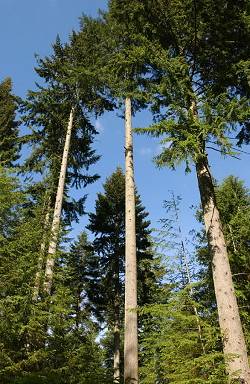 Low impact silvicultural systems such as continuous cover forestry will help to maintain shade and shelter within woodland habitats. High quality timber from productive woodlands, such as this Douglas-fir in Gwydyr forest, can be achieved by selecting species well suited to sites and climatic conditions in future decades.
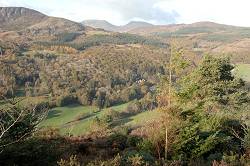 A ‘no-regrets’ policy should seek to incorporate more species in stands and woodland blocks, to spread the risk of climate change impacts, and reduce the likelihood of severe damage to woodland habitat. Suitable provenances of native species have a role to play in climate change adaptation management.
Cookies are files saved on your phone, tablet or computer when you visit a website.
We use cookies to store information about how you use the dwi.gov.uk website, such as the pages you visit.
Find out more about cookies on forestresearch.gov.uk
We use 3 types of cookie. You can choose which cookies you're happy for us to use.
These essential cookies do things like remember your progress through a form. They always need to be on.
We use Google Analytics to measure how you use the website so we can improve it based on user needs. Google Analytics sets cookies that store anonymised information about: how you got to the site the pages you visit on forestresearch.gov.uk and how long you spend on each page what you click on while you're visiting the site
Some forestresearch.gov.uk pages may contain content from other sites, like YouTube or Flickr, which may set their own cookies. These sites are sometimes called ‘third party’ services. This tells us how many people are seeing the content and whether it’s useful.