Opportunity to share your views on managing ticks and tick-borne diseases in Cumbria
Cumbria-based land managers and local landscape decision-makers sought for research about ticks.

Please note: workshops relating to this research project have all now been completed.
Scientists at Forest Research are looking for Cumbria-based land managers and those making decisions about the local landscape and environment to take part in research investigating the social awareness and experiences of ticks and tick-borne diseases (TBDs), their animal and human hosts, and woodlands.

Forest Research are carrying out workshops across Cumbria between Monday 11 and Friday 15 August. During the workshop we will carry out an interactive activity to help understand and explore perspectives around awareness and risk perception of ticks and tick-borne diseases and attitudes to mitigation actions for tick-borne diseases and ticks for both animals and humans.
The workshops are expected to take 60-80 minutes and refreshments will be provided.
They will take place on:
If you are available on any of the above dates and interested in participating, please get in touch with Harry Marshall (harry.marshall@forestresearch.gov.uk) or Greg Counsell (greg.counsell@forestresearch.gov.uk) and they will get you booked in. If you have any questions, please do not hesitate to ask.
Forest Research, on behalf of the Forestry Commission, Scottish Forestry, and Welsh Government, has launched the Forestry Workforce Census. It aims to better understand what the forestry operations workforce in Great Britain looks like today.

Dr Matt Wilkinson, NCEA Programme Manager at Forest Research talks about how we are trailblazing new technology and implementing innovations as part of the most significant ecosystem assessment ever conducted in the UK.
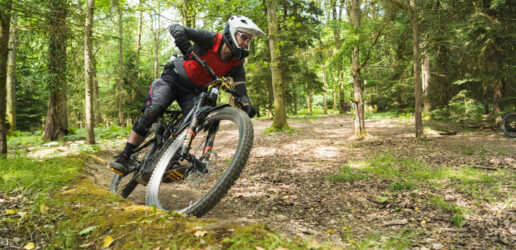
Forest Research, in partnership with the University of Exeter’s Centre for Net Positive Health and Climate Solutions, is leading a new study investigating outdoor nature-based recreation, health and climate change.
Forest Research, on behalf of the Forestry Commission, Scottish Forestry, and Welsh Government, has launched the Forestry Workforce Census. It aims to better understand what the forestry operations workforce in Great Britain looks like today.
Dr Matt Wilkinson, NCEA Programme Manager at Forest Research talks about how we are trailblazing new technology and implementing innovations as part of the most significant ecosystem assessment ever conducted in the UK.
Forest Research, in partnership with the University of Exeter’s Centre for Net Positive Health and Climate Solutions, is leading a new study investigating outdoor nature-based recreation, health and climate change.