Forestry Statistics 2026 now available
Forest Research has released the latest Accredited Official Statistics on woodland and forestry in the UK

Forestry Statistics 2026 is an annual summary of forestry statistics compiled by Forest Research on behalf of the forestry authorities in England, Wales, Scotland, and Northern Ireland and provides information on woodland area and cover, timber and wood products, imports and exports to economics, employment, woodland visits and the environment.
Findings show:
The UK Statistics Authority has designated these statistics as Accredited Official Statistics, in accordance with the Statistics and Registration Act 2007 and signifying compliance with the Code of Practice for Statistics. For more information visit www.statistics.gov.uk
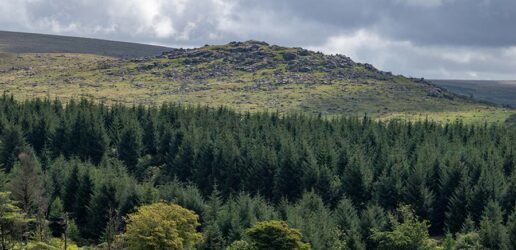
A new report by Forest Research, commissioned by Forestry England, has brought together the best practice guidance for upland forestry silviculture.
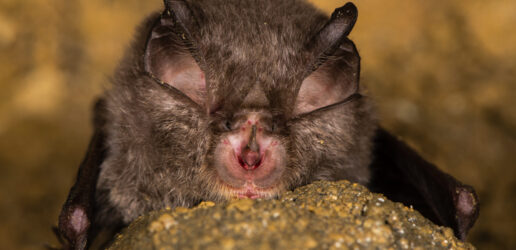
The largest passive acoustic bat survey ever undertaken in Britain has detected over 98 million bat calls across 310 woodland sites.
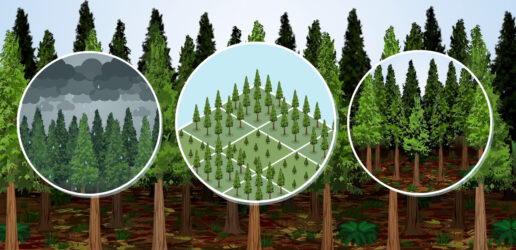
As Forest Research and Forestry England release five animations spotlighting productive tree species, Dr Tom Ovenden, silviculture and species scientist at Forest Research, discusses resilience, diversification and the future of forestry.
A new report by Forest Research, commissioned by Forestry England, has brought together the best practice guidance for upland forestry silviculture.
The largest passive acoustic bat survey ever undertaken in Britain has detected over 98 million bat calls across 310 woodland sites.
As Forest Research and Forestry England release five animations spotlighting productive tree species, Dr Tom Ovenden, silviculture and species scientist at Forest Research, discusses resilience, diversification and the future of forestry.