
Date
10 November 2026
Reading Time
2 minutes
Last Updated
10 November 2026
A new report by Forest Research, commissioned by Forestry England, has bought together the best practice guidance for upland forestry silviculture.
Upland forestry is typically defined as being above the 250m contour and the moorland wall, however there is no agreed definition to identify upland forests in England.
Upland forests are particularly vulnerable to climate change including extreme weather events such as storms — leading to windblow damage — and drought. They also face a unique set of complex operational and technical challenges related to management. They may also be more likely to be single-stand legacy plantations thereby potentially increasing susceptibility to pest or disease infestations.
As part of the report, scientists at Forest Research reviewed currently available guidance and tools from across the sector relating to uplands forestry, identifying a wealth of relevant and well-founded information.
The report identifies important elements of best practice guidance, summarises their relevance for upland silviculture, and signposts where to find them.

“When we refer to best practice, we’re primarily talking about what has worked in the past and is expected to work in the present,” said Research Fellow at Forest Research, Professor Andy Moffat. “Futureproofing is also beginning to take place, and in some areas is very active.”
The report identifies gaps in the current research landscape, along with making suggestions for how the forestry sector might be better informed in the future.
“Climate change, pests and diseases, and changing societal demands mean that forests are facing an increasingly uncertain future,” said Dr Eleanor Tew, Head of Forest Planning at Forestry England. “It’s vital that we learn from research to ensure we’re making practical decisions based on the most up-to-date scientific evidence.”
“This is why this report is so important — it brings together the best practice guidance out there, signposting the most relevant tools and resources that can help our Foresters make the best possible management decisions to promote sustainability and resilience in our upland forests.”
Recent News
View All news
The largest passive acoustic bat survey ever undertaken in Britain has detected over 98 million bat calls across 310 woodland sites.
Forestry Statistics 2026 now available
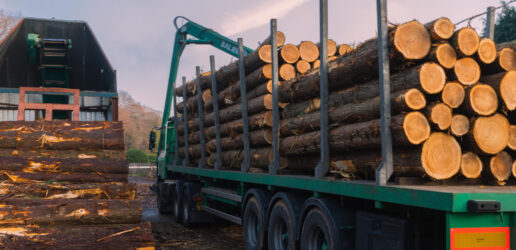
Forest Research has released the latest Accredited Official Statistics on woodland and forestry in the UK.
Spotlighting five alternative productive tree species
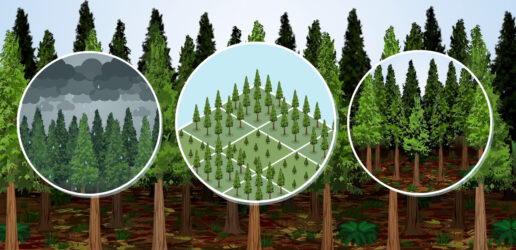
As Forest Research and Forestry England release five animations spotlighting productive tree species, Dr Tom Ovenden, silviculture and species scientist at Forest Research, discusses resilience, diversification and the future of forestry.
The largest passive acoustic bat survey ever undertaken in Britain has detected over 98 million bat calls across 310 woodland sites.
Forestry Statistics 2026 now available
Forest Research has released the latest Accredited Official Statistics on woodland and forestry in the UK.
Spotlighting five alternative productive tree species
As Forest Research and Forestry England release five animations spotlighting productive tree species, Dr Tom Ovenden, silviculture and species scientist at Forest Research, discusses resilience, diversification and the future of forestry.