Provisional Woodland Statistics
Forest Research has released the latest Accredited Official Statistics on woodland and forestry in the UK.

Forest Research have today (Thursday 26 June) released provisional statistics for the year to March 2025 on UK woodland area; certified woodland area, areas of new planting and publicly funded restocking, and projects registered under the Woodland Carbon Code.
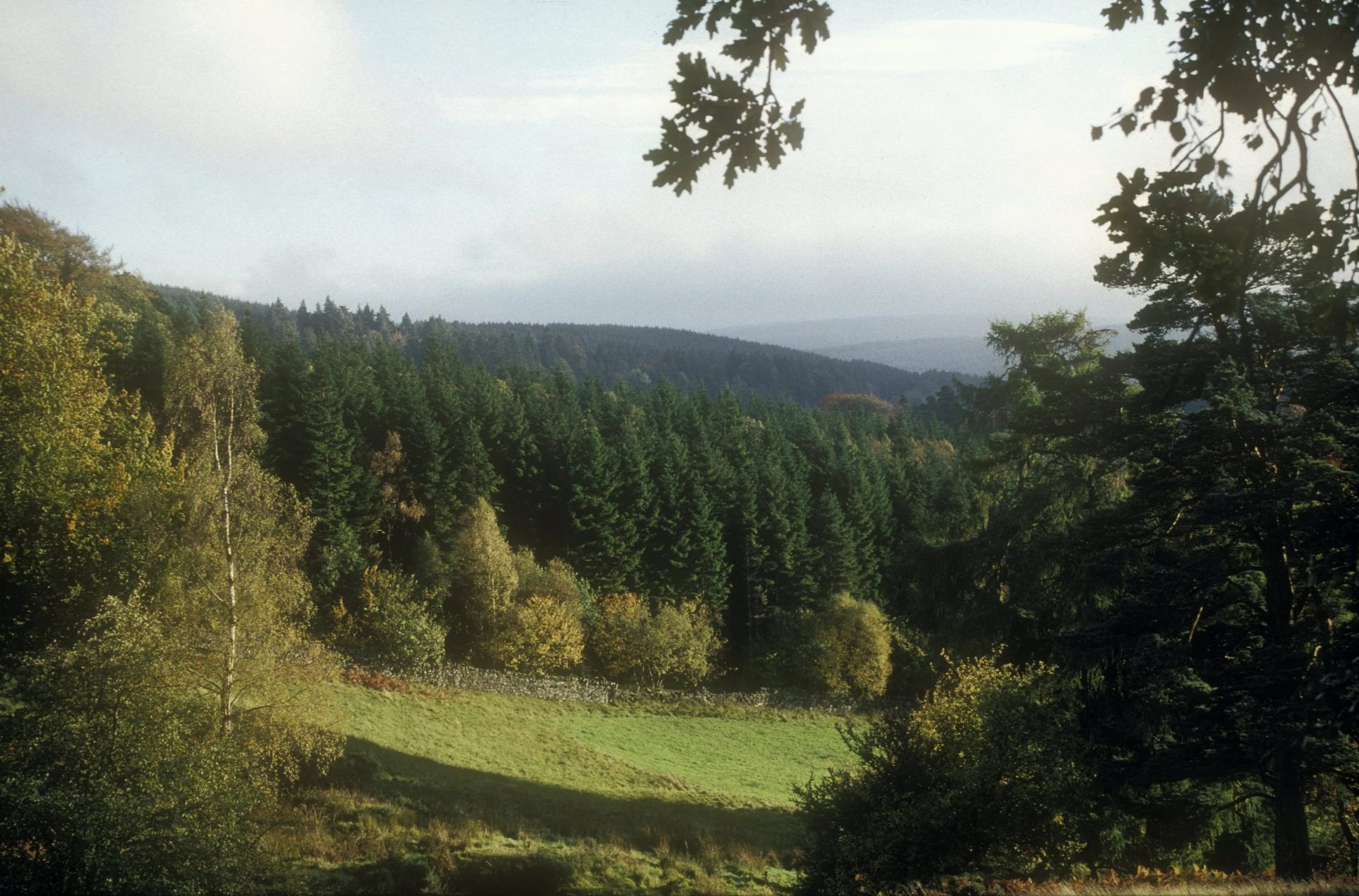
Key findings include:
To read the full publication which includes a breakdown of the key findings please, visit the Statistics section of our website.
These provisional statistics will be superseded on 25 September 2025 with the publication of final and more detailed results in Forestry Statistics 2025.
The UK Statistics Authority has designated these statistics as Accredited Official Statistics, in accordance with the Statistics and Registration Act 2007 and signifying compliance with the Code of Practice for Statistics. For more information visit: Accredited official statistics – Office for Statistics Regulation
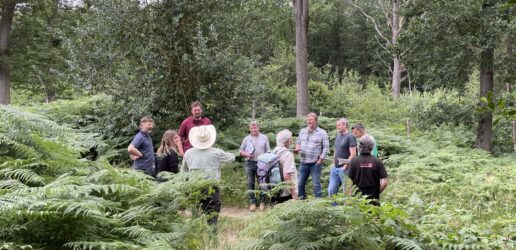
Growing a community equipped with the skills to assess oak health.
Join for an update on the Forest Lab oak health project, showing how monitoring oak tree condition, pests, and diseases can help woodland managers make informed decisions to protect and manage oak woodlands across the UK.
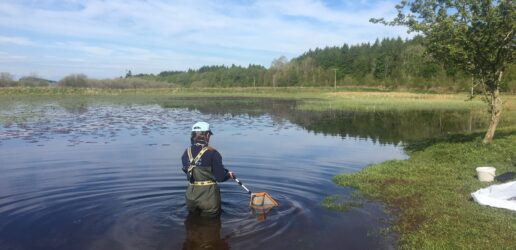
Forest Research entomology scientist, Molly Davidson, discusses her work as a diagnostician for TreeAlert, the hidden world of moths, and a new survey investigating what motivates people to take part in citizen science.
Growing a community equipped with the skills to assess oak health.
Join for an update on the Forest Lab oak health project, showing how monitoring oak tree condition, pests, and diseases can help woodland managers make informed decisions to protect and manage oak woodlands across the UK.
Forest Research entomology scientist, Molly Davidson, discusses her work as a diagnostician for TreeAlert, the hidden world of moths, and a new survey investigating what motivates people to take part in citizen science.