Volunteers wanted in nationwide monitoring project for Ips typographus
5 Mar 2024

A new national monitoring project aims to help prevent the potential spread of a serious pest affecting spruce trees – the larger eight-toothed European spruce bark beetle (Ips typographus).
The project is offered via Forest Lab and is run by Sylva Foundation, Forest Research and Forestry Commission.
Volunteers are wanted from England, Wales and Scotland who have spruce growing in woodland that they own or manage, and who are willing to host and collect samples by installing a spruce bark beetle trap.
By taking part in the project, volunteers will become part of an early-warning system and help action to limit the impacts of this pest. They will also be contributing crucial data to science that will help researchers to better understand the biology of Ips typographus and help shape policy and guidance for the sector.
Another benefit of taking part is that if this pest is discovered breeding in a volunteer’s woodland, prompt action can be taken to limit damage. Whether the pest is found in their woodland or not, volunteers will gain insights into management actions which may reduce the vulnerability of their woodland.
Find out more from volunteers Tim Read and Andy Stott who share their experiences of joining the project.
Download Tim Read’s case study [PDF, 3.32 MB]
Download Andy Stott’s case study [PDF, 3.99 MB]
Forest Research has announced SciFor 26, a major conference focused on the evidence, findings and innovations resulting from its core research programme.
This webinar explores the latest UK and international research on short rotation forestry, highlighting its potential to deliver sustainable biomass, carbon sequestration, and emissions reductions while supporting a low‑emissions future.
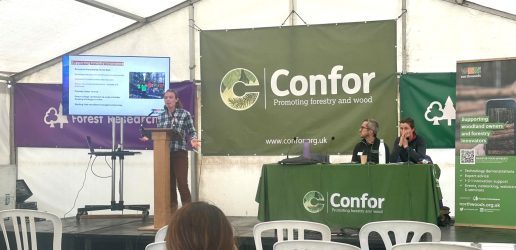
At APF 26, we’re launching Talking Forestry, a new free event series of short talks and panel discussions in the Confor tent.
Forest Research has announced SciFor 26, a major conference focused on the evidence, findings and innovations resulting from its core research programme.
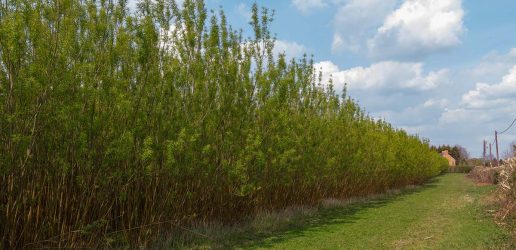
This webinar explores the latest UK and international research on short rotation forestry, highlighting its potential to deliver sustainable biomass, carbon sequestration, and emissions reductions while supporting a low‑emissions future.
At APF 26, we’re launching Talking Forestry, a new free event series of short talks and panel discussions in the Confor tent.