Mental health benefits of visiting UK woodlands estimated at £185 million
4 Dec 2021

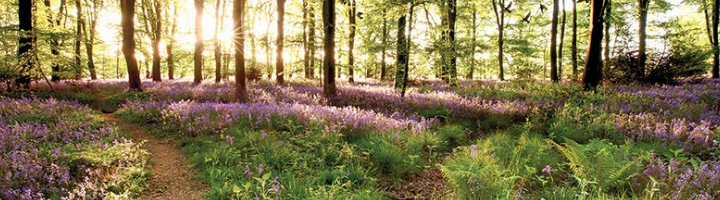
Visits to the UK’s woodlands boosts mental health and is estimated to save £185 million in treatment costs annually, our landmark report finds.
The report, published during ‘National Tree Week’ and funded by the Forestry Commission, Scottish Forestry and the Welsh Government, is the first time the health and wellbeing benefits of the UK’s woodlands have been quantified.

For England specifically, woodlands save £141 million costs associated with mental health illnesses, including visits to GPs, drug prescriptions, inpatient care, social services and the number of days lost due to mental health issues. The figures are based on evidence of the reduced incidence of depression and anxiety resulting from regular visits to woodlands.
During the coronavirus pandemic, the prevalence of mental illness has increased. Access to trees, woods, forests, and other natural environments including urban parks and green spaces has become even more important for individuals to support and maintain their wellbeing. Of visits to all greenspace over the past 10 years, from farmland and countryside to parks and playing fields), 14.1% of these were made to woodlands.
In urban areas, trees and woodlands are essential for communities, supporting wellbeing, reducing pollution and improving quality of life. Supporting this, the report finds that the value of street trees through avoided antidepressant costs related to mental health issues is £16 million.
The report also finds that longer term, the value over the next 100 years is estimated to be just over £11 billion for the mental health benefits of visits to woodlands, and a further £1 billion for the mental health benefits of street trees.
Forestry Commission Chair, Sir William Worsley, said:
“This report demonstrates just how vital it is to invest in healthy trees and woodlands. It makes medical sense, because it will mean better health for all; economic sense, by saving society millions of pounds and it makes environmental sense, helping us to tackle the twin challenges of climate change and biodiversity loss. This National Tree Week, let’s all step outside, enjoy trees in town and countryside and reap the benefits of being close to nature.”
Almost half the population say that they are spending more time outside than before the pandemic, while the majority of adults surveyed by Forest Research agreed that their level of happiness when in woodlands and nature has increased.
Read the ‘Valuing the mental health benefits of woodlands’ report here.
Forest Research, on behalf of the Forestry Commission, Scottish Forestry, and Welsh Government, has launched the Forestry Workforce Census. It aims to better understand what the forestry operations workforce in Great Britain looks like today.

Dr Matt Wilkinson, NCEA Programme Manager at Forest Research talks about how we are trailblazing new technology and implementing innovations as part of the most significant ecosystem assessment ever conducted in the UK.

Forest Research, in partnership with the University of Exeter’s Centre for Net Positive Health and Climate Solutions, is leading a new study investigating outdoor nature-based recreation, health and climate change.
Forest Research, on behalf of the Forestry Commission, Scottish Forestry, and Welsh Government, has launched the Forestry Workforce Census. It aims to better understand what the forestry operations workforce in Great Britain looks like today.
Dr Matt Wilkinson, NCEA Programme Manager at Forest Research talks about how we are trailblazing new technology and implementing innovations as part of the most significant ecosystem assessment ever conducted in the UK.
Forest Research, in partnership with the University of Exeter’s Centre for Net Positive Health and Climate Solutions, is leading a new study investigating outdoor nature-based recreation, health and climate change.