Rethinking habitat fragmentation
In a new paper published in Trends in Ecology & Evolution, scientists say we need to understand fragmentation as a process that unfolds over time.

Habitat loss and fragmentation are widely recognised as major threats to wildlife around the world. While it is well understood that destroying habitats reduces biodiversity, the effects of fragmentation, when habitats are split into smaller pieces, have been the subject of growing debate among scientists.
Recent research has tried to answer this question by looking at snapshots of landscapes as they are today, focusing on how patchy or broken up habitats appear on maps. But a new paper published in Trends in Ecology & Evolution argues that this approach misses a crucial point: fragmentation is not just what landscapes look like now, but how they have changed over time.
Researchers from Forest Research, the University of Cambridge, the UK Centre for Ecology & Hydrology, the University of Birmingham and Wake Forest University say that by treating fragmentation as a fixed pattern rather than a dynamic process, scientists may be misunderstanding its true effects on biodiversity.
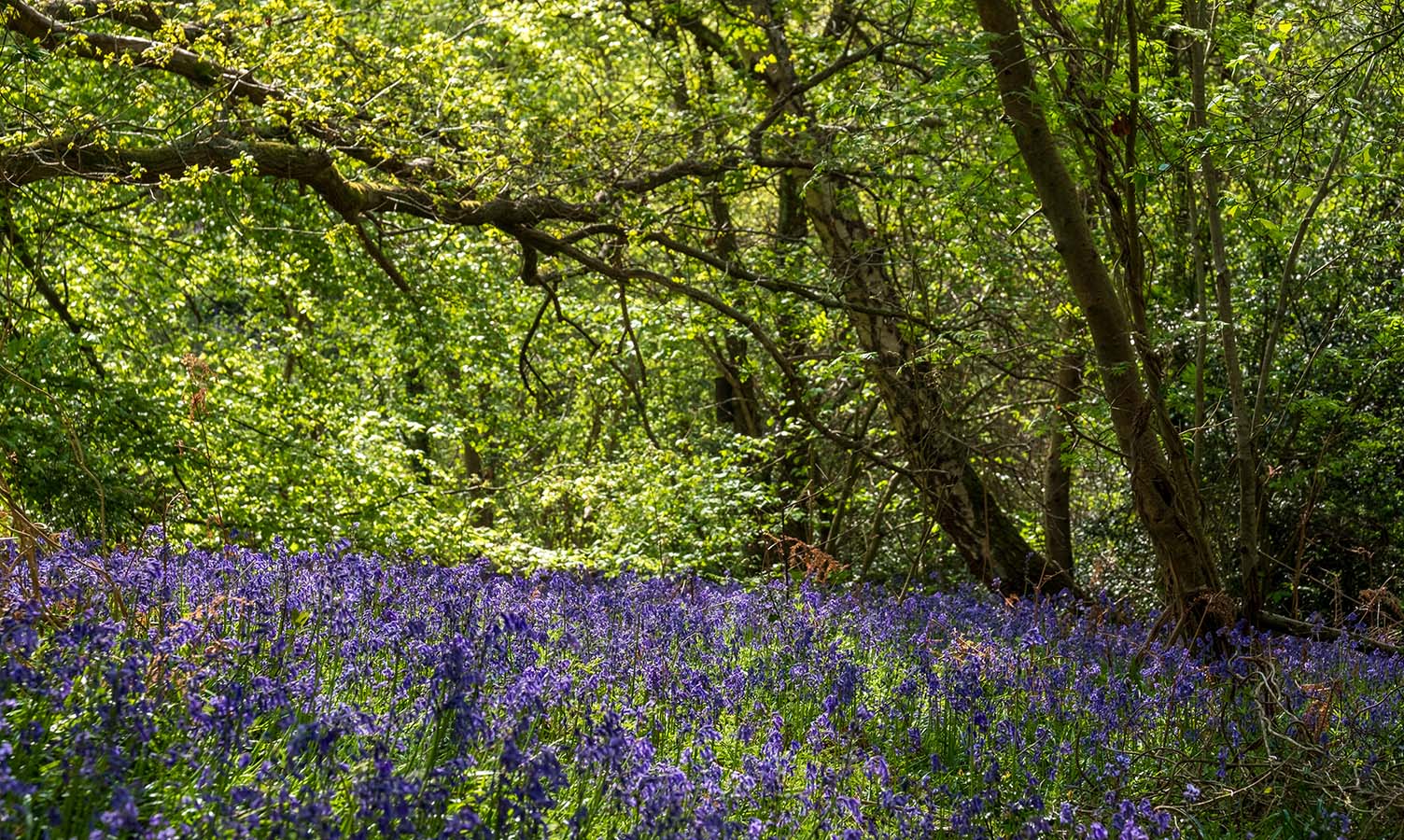
The paper describes two main ways scientists think about fragmentation. The first is a pattern‑based view, which focuses on today’s landscape specifically, how many habitat patches there are, how big they are, and how isolated they appear. The second is a process‑based view, which looks at fragmentation as the gradual breaking apart of habitats over years or decades.
Rather than choosing between these perspectives, the authors argue they should be combined. They say that, fragmentation should be understood as how habitat patterns change in relation to habitat loss over time, not just how patchy a landscape appears at a single moment.
A key problem with relying on snapshots is that landscapes that look identical today can have very different histories. Some may have been slowly degraded over a long period, others may be naturally patchy, while some are landscapes where habitats are being restored or newly created through tree planting.
Wildlife does not always respond to these changes straight away. Species can persist for years after habitats are damaged, or take time to colonise in restored recovering areas. Because of these delays, studies that compare landscapes at one point in time can wrongly attribute biodiversity patterns to fragmentation, when they are actually the result of past changes.
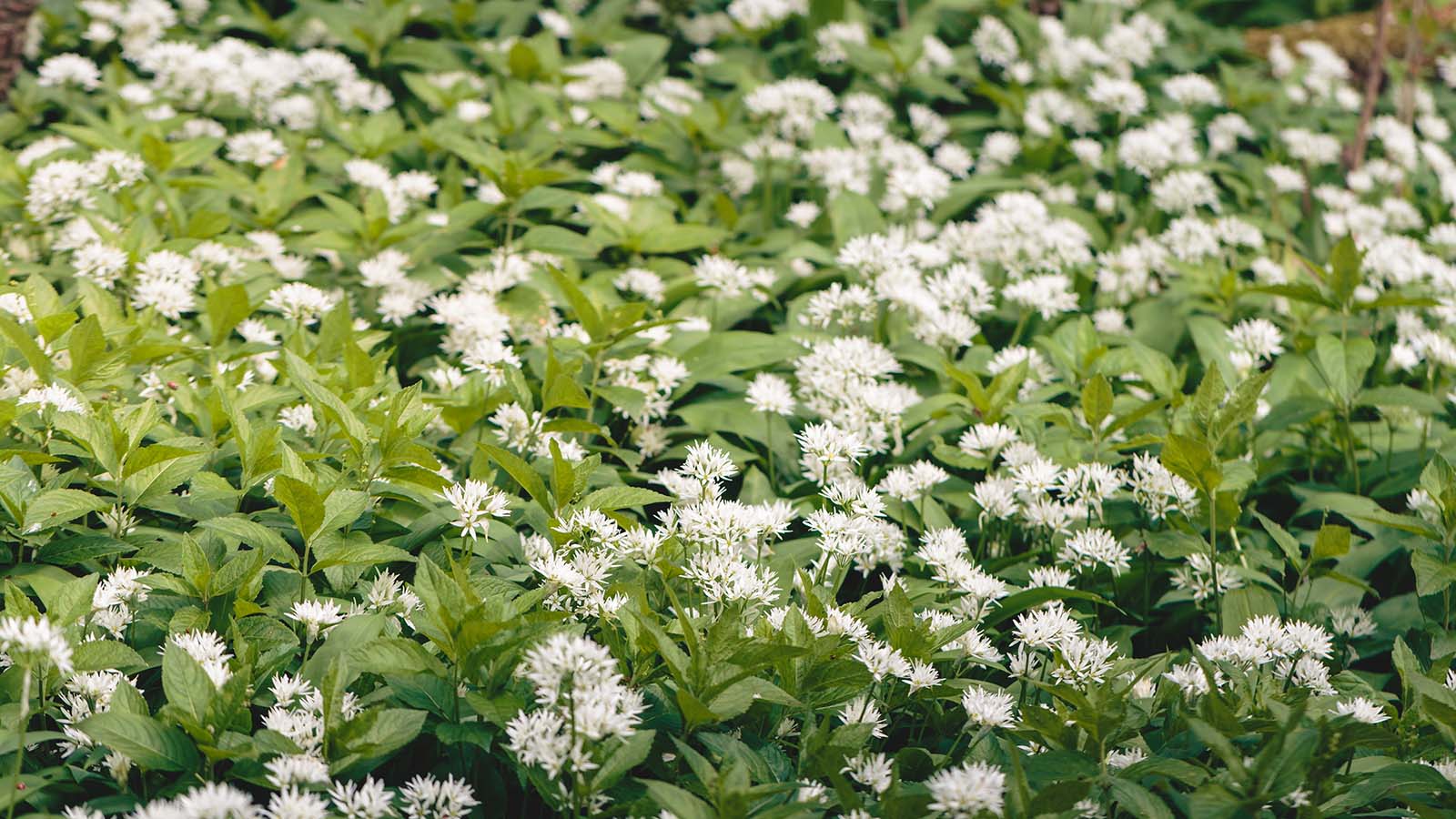
To address this, the authors outline ways to bring time back into fragmentation research. These include using historical land‑use data, comparing landscapes with similar histories, analysing long‑term datasets, and studying how biodiversity changes before and after habitat alteration.
By understanding fragmentation as a process that unfolds over time, the researchers believe scientists can reduce confusion, improve evidence for conservation decisions, and develop more effective strategies to protect biodiversity.
Their message is simple: to understand the impacts of fragmented landscapes, we need to look not just at the map, but at the story behind it.
Forest Research, on behalf of the Forestry Commission, Scottish Forestry, and Welsh Government, is launching the Forestry Workforce Census. It aims to better understand what the forestry operations workforce in Great Britain looks like today.
Study suggests some trees within native British juniper populations carry heritable natural resistance to the invasive tree pathogen, Phytophthora austrocedri.
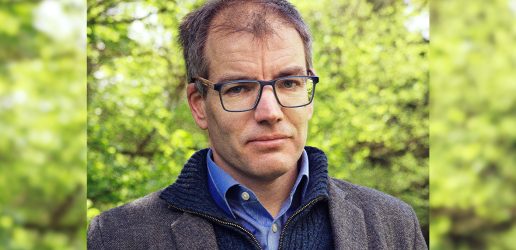
The Forestry Commission Expert Committee on Forest Science (ECFS) has appointed a new member, Richard Buggs.
Forest Research, on behalf of the Forestry Commission, Scottish Forestry, and Welsh Government, is launching the Forestry Workforce Census. It aims to better understand what the forestry operations workforce in Great Britain looks like today.
Study suggests some trees within native British juniper populations carry heritable natural resistance to the invasive tree pathogen, Phytophthora austrocedri.
The Forestry Commission Expert Committee on Forest Science (ECFS) has appointed a new member, Richard Buggs.