Complexity could be the key to ecosystem restoration
New research highlights the importance of ecological complexity when restoring ecosystems.

Ecosystem restoration has traditionally aimed to recreate habitats as they existed in the past, often using historical species lists or reference sites as measures of success.
However, new research suggests that restoring ecological complexity, rather than trying to replicate historical conditions, may be a more effective way of building resilient ecosystems in a changing world.
The study by Forest Research, the University of Stirling, the University of Glasgow, the UK Centre for Ecology and Hydrology and Cranfield University, was published in the Journal of Applied Ecology.
Ecological complexity refers to how rich, varied and interconnected an ecosystem is. It includes not only the number of species present, but also how species interact with each other, how habitats are structured, and how processes such as nutrient cycling operate.
Complex ecosystems tend to have multiple layers, a wide range of organisms and many connections between them, features that are often linked to stability and resilience.

To understand what drives complexity in restored ecosystems, researchers examined 114 restored sites across the UK, including 54 calcareous grasslands and 60 broadleaved woodlands. These sites were being restored from former agricultural or industrial land and represented a wide range of ages, sizes and restoration approaches.
Rather than relying on a single biodiversity measure, the researchers assessed complexity across several parts of the ecosystem. This included plant communities, invertebrates such as insects, soil bacteria and fungi, habitat structure (for example, vegetation height and layering), and ecological networks that describe how species interact.
For each of these components, the team developed indices of ecological complexity, allowing them to compare how complexity varied between sites and ecosystem types.
The study then set out to answer a central question: what factors best explain why some restored sites become more complex than others?
To do this, the researchers collected information on a range of potential drivers, including:
They analysed these data using structural equation models, a statistical approach that allows researchers to examine complex relationships between multiple factors at the same time. This method makes it possible to assess not only which factors influence complexity, but also how different aspects of complexity are related to one another.
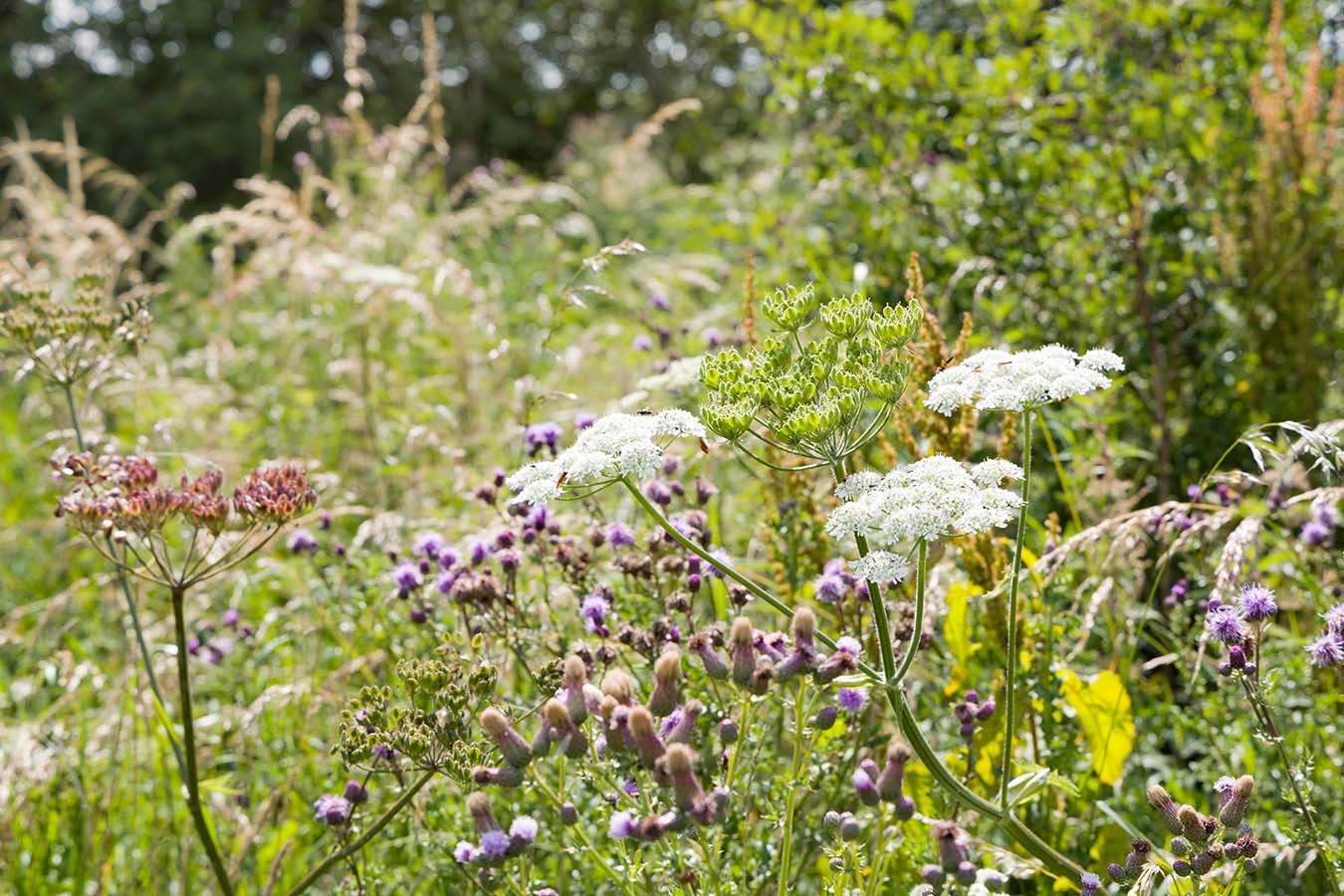
One of the clearest findings was that decisions made at the start of restoration had a strong and lasting influence on ecological complexity. In grasslands, the method used to establish vegetation played a major role in shaping later complexity. In woodlands, former land use continued to affect ecological development long after restoration had begun.
The results also showed that habitat structure was a key driver of invertebrate complexity in both grasslands and woodlands. Sites with greater physical variation such as a mix of vegetation heights and denser structural features supported more complex insect communities.
Importantly, the statistical analysis revealed that different elements of ecosystems did not always recover together. High complexity in one component, such as plants, did not necessarily mean high complexity in soils or ecological networks. This suggests that ecosystems do not develop as a single, unified system during restoration.
Together, these findings challenge the assumption that restoring specific species or waiting for sites to mature will automatically lead to healthy ecosystems. Instead, they highlight the importance of early planning, habitat structure and a broader understanding of what restoration success looks like.
The authors argue that focusing on ecological complexity offers a more flexible and forward-looking framework, particularly under climate change. While past ecosystems may no longer be realistic targets, complex ecosystems are more likely to adapt to future conditions while continuing to function effectively.
This research encourages a reassessment of restoration goals. Rather than aiming solely to recreate historic ecosystems, it suggests that success may lie in deliberately building ecosystems that are diverse, interconnected and capable of responding to environmental change.


Forest Research, on behalf of the Forestry Commission, Scottish Forestry, and Welsh Government, has launched the Forestry Workforce Census. It aims to better understand what the forestry operations workforce in Great Britain looks like today.

Dr Matt Wilkinson, NCEA Programme Manager at Forest Research talks about how we are trailblazing new technology and implementing innovations as part of the most significant ecosystem assessment ever conducted in the UK.
Forest Research, in partnership with the University of Exeter’s Centre for Net Positive Health and Climate Solutions, is leading a new study investigating outdoor nature-based recreation, health and climate change.
Forest Research, on behalf of the Forestry Commission, Scottish Forestry, and Welsh Government, has launched the Forestry Workforce Census. It aims to better understand what the forestry operations workforce in Great Britain looks like today.
Dr Matt Wilkinson, NCEA Programme Manager at Forest Research talks about how we are trailblazing new technology and implementing innovations as part of the most significant ecosystem assessment ever conducted in the UK.
Forest Research, in partnership with the University of Exeter’s Centre for Net Positive Health and Climate Solutions, is leading a new study investigating outdoor nature-based recreation, health and climate change.