
Date
1 May 2026
Reading Time
3 minutes
Last Updated
11 June 2026
Hedgerows are one of the most recognisable features of the UK landscape — and at their heart stands hawthorn. Now, a new national research initiative is calling on volunteers to help strengthen our understanding of hawthorn resilience in a changing world.
The project, a collaboration between Forest Research, Fera, The Tree Council, and the International Plant Sentinel Network, aims to assess how resilient hawthorn is to pests, diseases and environmental pressures and how this vulnerability may impact the surrounding treescape. Samples from across the country are needed, and that’s where volunteers can make a real difference.
“By taking a little time to observe hawthorn, volunteers can play a vital role in ensuring these much‑loved trees continue to shape our landscapes and support ecosystems for generations to come,” said Forest Research social scientist, Laura Baker.
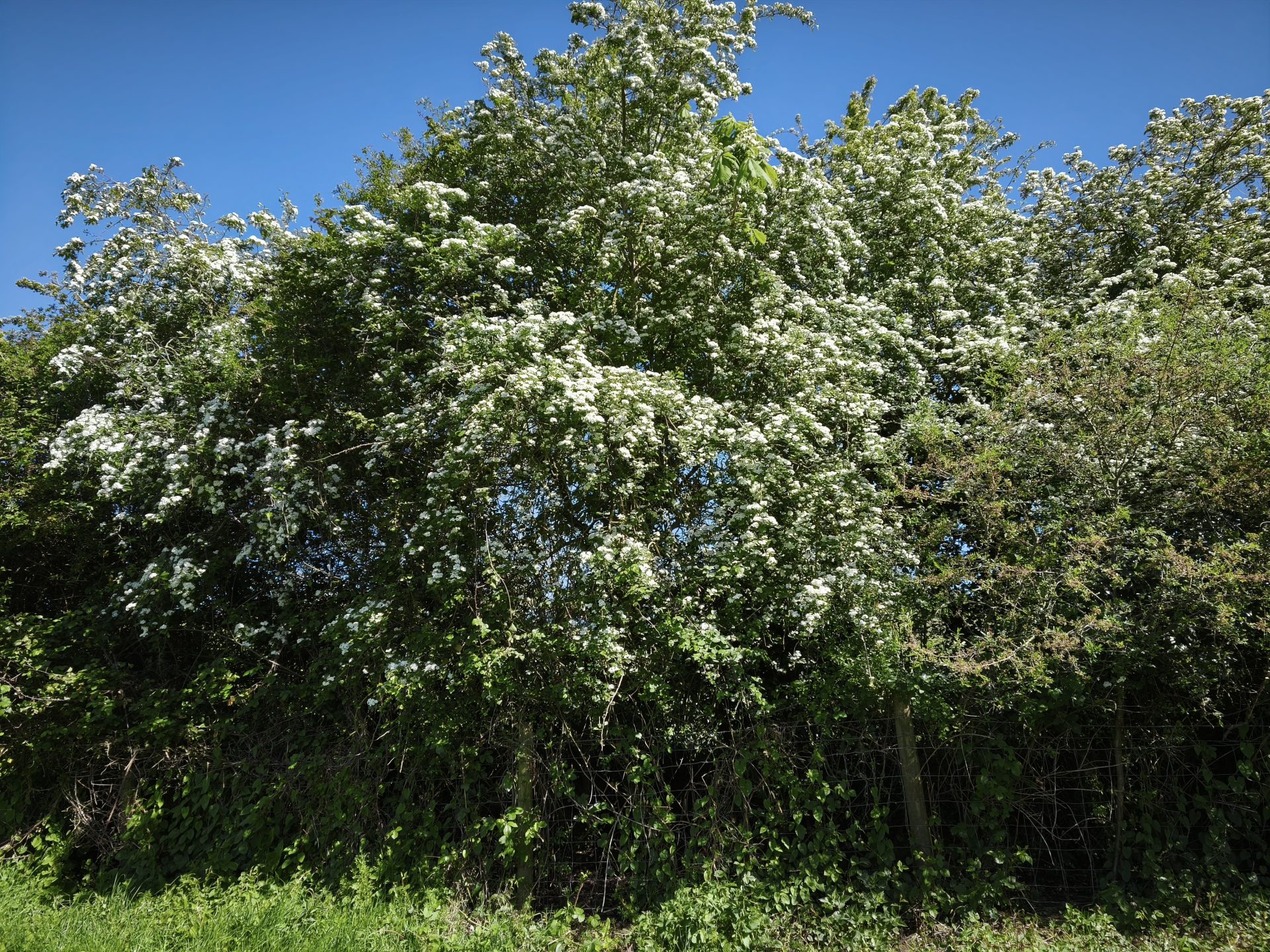
Why hawthorn matters
Hawthorn is the backbone of UK hedgerows, making up an estimated 70% of their structure. These hedgerows play a crucial role in supporting biodiversity, storing carbon, preventing soil erosion and connecting habitats.
Despite its importance, surprisingly little is known about how resilient hawthorn populations are to emerging threats and how vulnerabilities could impact the wider treescape.
This project is focusing on two key disease concerns:
- Fireblight (Erwinia amylovora), a bacterial disease
- Gymnosporangium rusts (G. clavariiforme and G. confusum), fungal diseases
By collecting observations and samples from real hedgerows, we can build a clearer national picture of hawthorn health.
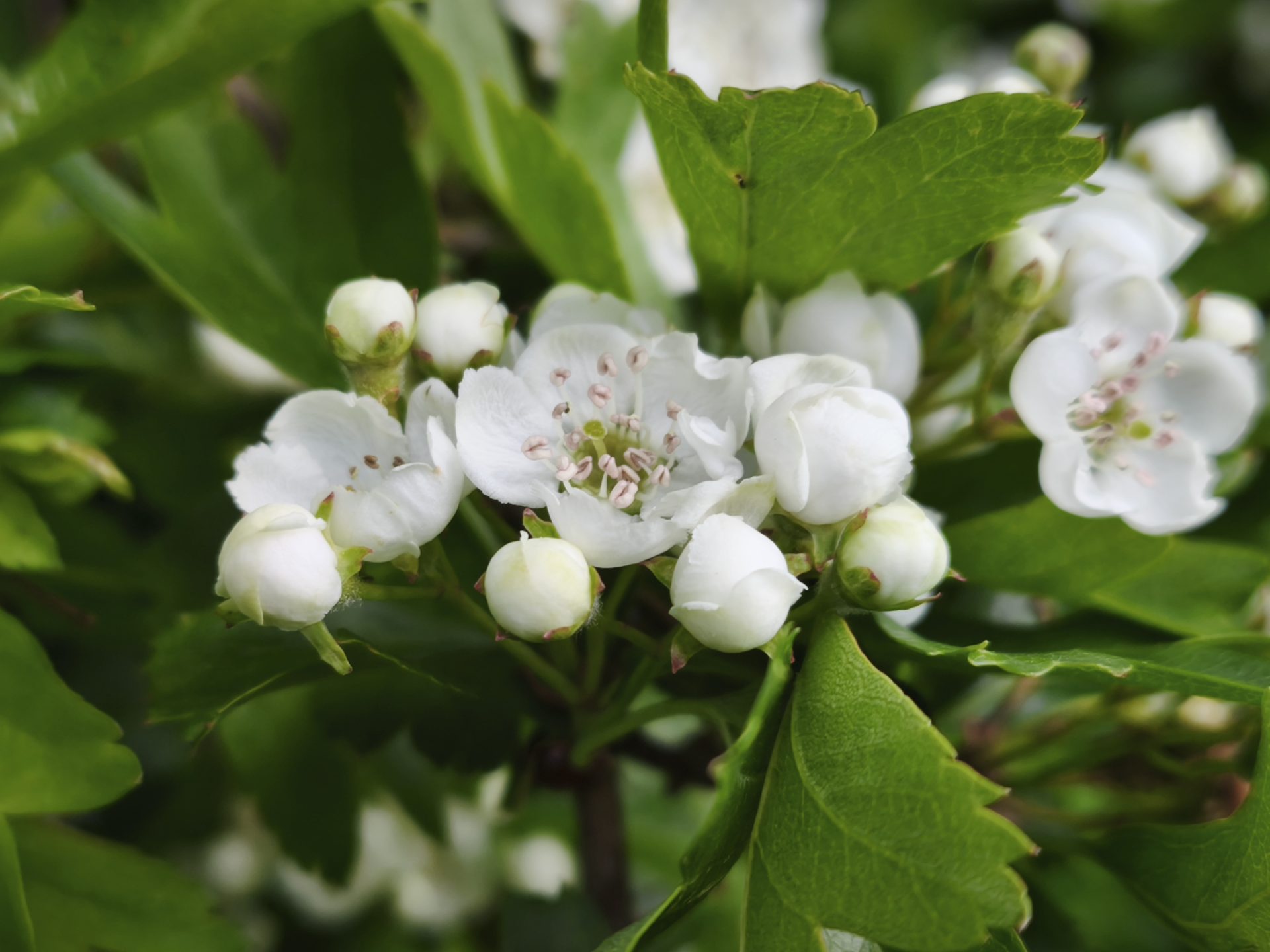
What volunteers are being asked to do
Volunteers are invited to look out for hawthorn trees in their local area, from May to September, whether they appear healthy (asymptomatic) or show signs of disease (symptomatic). Participants are asked to take photographs and, where symptoms are suspected, carefully collect and post samples following a provided protocol.
Every individual sample submission will receive timely feedback from the project team, giving volunteers a valuable learning opportunity while contributing to cutting‑edge research.
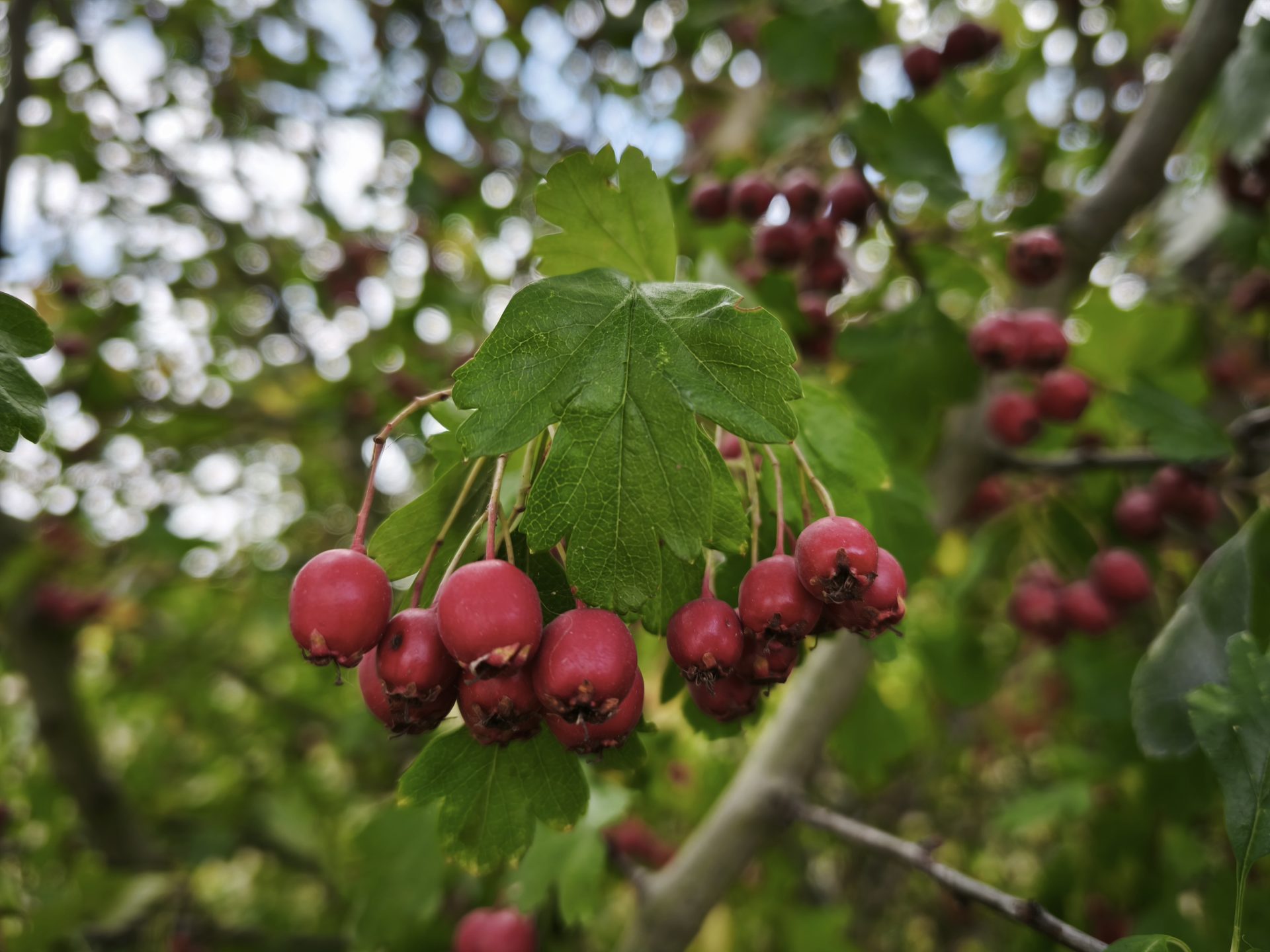
How to get involved
Anyone with an interest in trees, nature or the environment can take part. To get involved follow these three steps:
- Download the hawthorn sampling protocol
- Complete a sampling sheet
- Send your sampling sheet, photos and samples to: hawthorn.sampling@forestresearch.gov.uk and our labs (postal addresses can be found on page 13 of the sampling protocol)
Don’t forget that volunteers must be over 18 years old or accompanied by a responsible adult. If collecting on private land, you must seek permission from the landowner.
For more information, or if you have any questions, please do not hesitate to contact us on: hawthorn.sampling@forestresearch.gov.uk
The project is funded by the Department for Environment, Food and Rural Affairs (Defra).
Recent News
View All news
Forestry Statistics 2026 now available
Forest Research has released the latest Accredited Official Statistics on woodland and forestry in the UK.
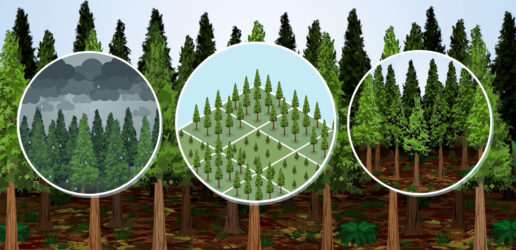
Spotlighting five alternative productive tree species
As Forest Research and Forestry England release five animations spotlighting productive tree species, Dr Tom Ovenden, silviculture and species scientist at Forest Research, discusses resilience, diversification and the future of forestry.
Be counted – take part in the Forestry Workforce Census
Forest Research, on behalf of the Forestry Commission, Scottish Forestry, and Welsh Government, has launched the Forestry Workforce Census. It aims to better understand what the forestry operations workforce in Great Britain looks like today.
Forestry Statistics 2026 now available
Forest Research has released the latest Accredited Official Statistics on woodland and forestry in the UK.
Spotlighting five alternative productive tree species
As Forest Research and Forestry England release five animations spotlighting productive tree species, Dr Tom Ovenden, silviculture and species scientist at Forest Research, discusses resilience, diversification and the future of forestry.
Be counted – take part in the Forestry Workforce Census
Forest Research, on behalf of the Forestry Commission, Scottish Forestry, and Welsh Government, has launched the Forestry Workforce Census. It aims to better understand what the forestry operations workforce in Great Britain looks like today.