
Summary
This research will evaluate the extent to which Long-established Woodland (habitat continuously wooded since 1893) contains ecological features of truly irreplaceable value.
Using Ancient Woodland (habitat continuously wooded since at least 1600CE) as a benchmark, the project will
- Identify the key woodland features that cannot be readily recreated elsewhere
- Determine whether these are present in long‑established sites
- Assess how various stakeholder groups understand and value terms such as “ancient,” “long‑established” and “irreplaceable”
The findings will inform policy on woodland protection and underpin clear, defensible definitions to safeguard England’s most valuable wooded habitats.
This project has been funded by the UK Government through Defra’s Forestry Research and Development (FRD) programme.
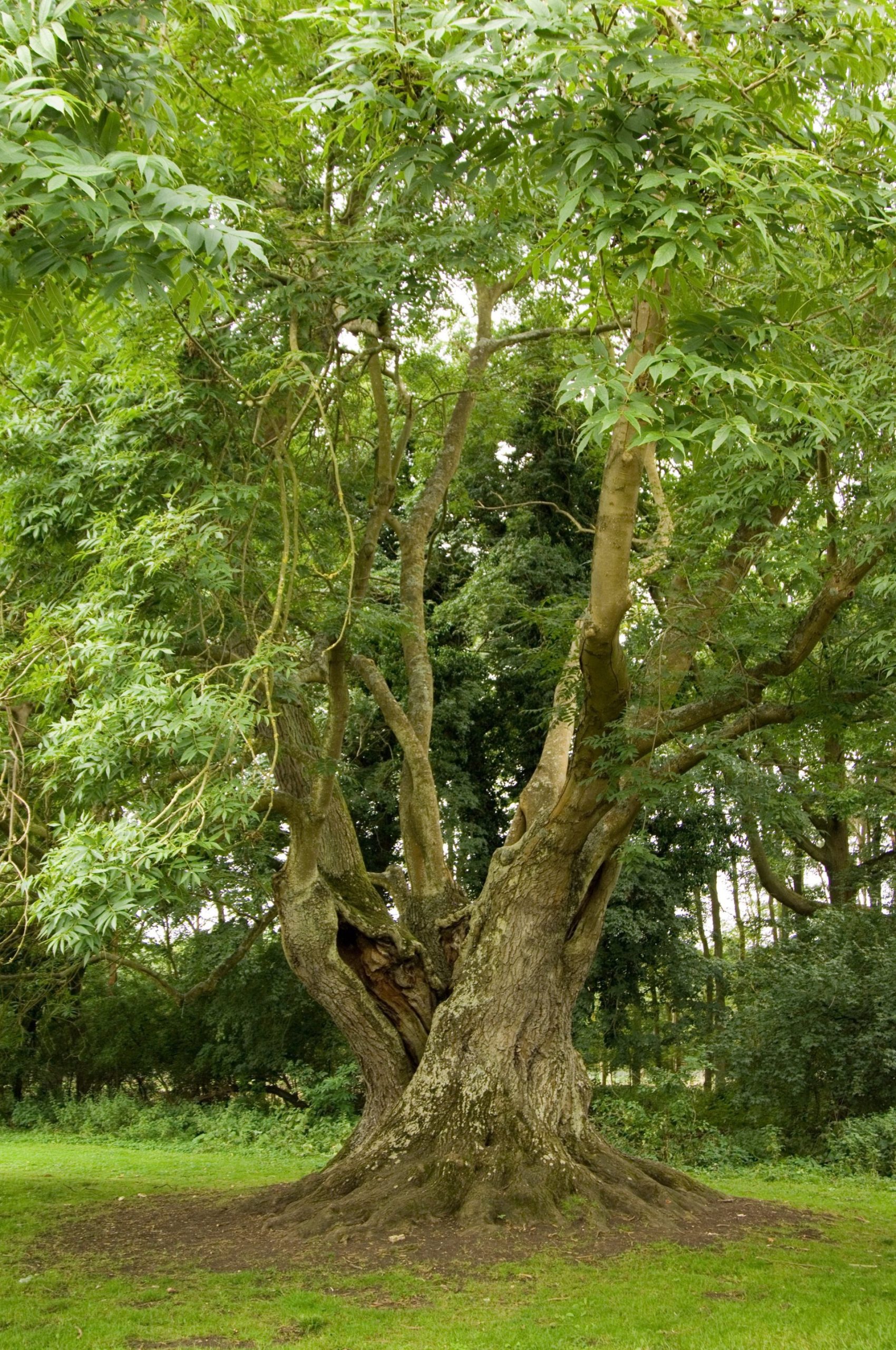
Research Objectives
- Does the current date-based classification used for woodland protection effectively identify sites of irreplaceable value?
- How do different stakeholder groups involved in planning decisions conceptualise key woodland terminology, such as ‘ancient’, ‘long-established’, ‘irreplaceable’? How might differences in understanding shape opinions on which woodlands should be prioritised for protection in planning policy?
- What are the ecological features / functions of older woodlands that cannot be recreated readily in new woodland sites? How do they vary across woodlands of different ages? Can they be used to identify whether long-established woodland sites are of equivalent ecological value to ancient woodland?
Funding & Partners
-
 DEFRA
DEFRA
