Woodland managers are invited to take part in a new project to protect the nation’s oaks
Join a webinar and in-person workshop to learn about monitoring and protecting oak trees.

In partnership with Aberystwyth University and Sylva Foundation, a new app has been co-developed with woodland managers that allows users to monitor the health of oak trees and access advice to inform management decisions.
Now, scientists are inviting woodland managers to attend a webinar, on Tuesday 24 March at 10am, to find out more about the research project to date and learn how to use the app. As part of the webinar, attendees will find out about the aims, methods and results of the research project, receive a demonstration of the app, and learn about oak health assessments and management strategies.
The webinar will be followed up with practical hands-on training in the summer at locations across the UK (details below).
| Date | Site name |
| 16/06/2026 | Llanerchaeron, Ceredigion |
| 17/06/2026 | Attingham, Shrewsbury |
| 18/06/2026 | Nagshead, Forest of Dean |
| 24/06/2026 | Richmond Park, London |
| 25/06/2026 | Wanstead flats, London |
| 30/06/2026 | Wyre Forest, Bewdley |
| 06/07/2026 | Blickling Estate, Norfolk |
| 07/07/2026 | Ickworth Estate, Suffolk |
| 08/07/2026 | Fineshade, Corby |
| 09/07/2026 | Clumber Park, Nottinghamshire |
| 10/07/2026 | Gair Wood, Leeds |
Native oak trees — keystone species in many woodlands — are under threat from environmental change, and in some places by Acute Oak Decline (AOD), mildew, insect defoliation or honey fungus. We are interested to understand where and how these factors are impacting oak health.
AOD can be diagnosed by a depleted oak crown, black stem bleeding, and D-shaped emergence holes (left by the Agrilus biguttatus beetle). The disease can seriously diminish health and resilience of infected trees. AOD can spread within a woodland once introduced and exacerbate existing stresses.
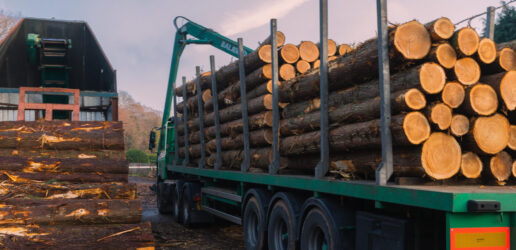
Forest Research has released the latest Accredited Official Statistics on woodland and forestry in the UK.
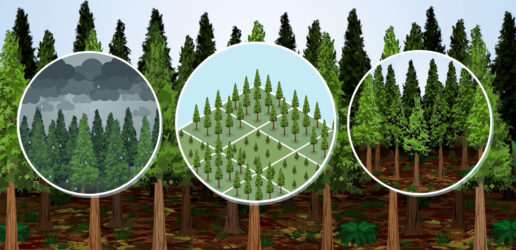
As Forest Research and Forestry England release five animations spotlighting productive tree species, Dr Tom Ovenden, silviculture and species scientist at Forest Research, discusses resilience, diversification and the future of forestry.
Forest Research, on behalf of the Forestry Commission, Scottish Forestry, and Welsh Government, has launched the Forestry Workforce Census. It aims to better understand what the forestry operations workforce in Great Britain looks like today.
Forest Research has released the latest Accredited Official Statistics on woodland and forestry in the UK.
As Forest Research and Forestry England release five animations spotlighting productive tree species, Dr Tom Ovenden, silviculture and species scientist at Forest Research, discusses resilience, diversification and the future of forestry.
Forest Research, on behalf of the Forestry Commission, Scottish Forestry, and Welsh Government, has launched the Forestry Workforce Census. It aims to better understand what the forestry operations workforce in Great Britain looks like today.