What’s in a name? Take part in a new survey investigating how old woodland is described
If you’re involved in planning decisions relating to existing woodlands in England, Forest Research want to know how you describe old woodland.

Forest Research is looking for people who may be involved in planning decisions relating to existing woodlands in England to take part in a survey about the language used to describe old woodland.
This survey is aimed at four groups:
The survey takes just five to ten minutes.
By taking part, you’ll help us to understand how terms such as ‘ancient woodland’, ‘long-established woodland’, and ‘irreplaceable habitat’ are interpreted. We’ll compare our findings from the four groups to highlight where interpretations align or differ. This will help us to explore how woodland-related terms are understood and used in planning contexts in England.
The project is funded by Defra and Natural England.

Forest Research, on behalf of the Forestry Commission, Scottish Forestry, and Welsh Government, has launched the Forestry Workforce Census. It aims to better understand what the forestry operations workforce in Great Britain looks like today.

Dr Matt Wilkinson, NCEA Programme Manager at Forest Research talks about how we are trailblazing new technology and implementing innovations as part of the most significant ecosystem assessment ever conducted in the UK.
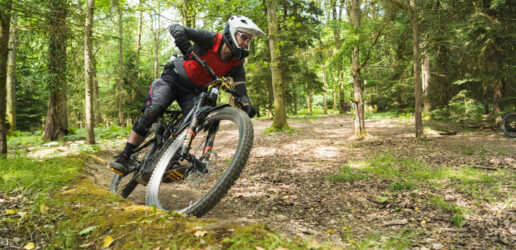
Forest Research, in partnership with the University of Exeter’s Centre for Net Positive Health and Climate Solutions, is leading a new study investigating outdoor nature-based recreation, health and climate change.
Forest Research, on behalf of the Forestry Commission, Scottish Forestry, and Welsh Government, has launched the Forestry Workforce Census. It aims to better understand what the forestry operations workforce in Great Britain looks like today.
Dr Matt Wilkinson, NCEA Programme Manager at Forest Research talks about how we are trailblazing new technology and implementing innovations as part of the most significant ecosystem assessment ever conducted in the UK.
Forest Research, in partnership with the University of Exeter’s Centre for Net Positive Health and Climate Solutions, is leading a new study investigating outdoor nature-based recreation, health and climate change.