Fun and fitness in the forest
21 Jun 2018

In the UK we are facing huge public health challenges as a result of people being physically inactive and sometimes completely sedentary. This means around a quarter of people in England are doing less than thirty minutes of physical activity per week. This can lead to health problems such as heart disease, type 2 diabetes, and costs the UK an estimated £7.4 billion per year. So what can we do about this?
Part of the solution to these challenges is to make it easier create for people to sustain or increase their physical activity. The Active Forest programme is trying to do just this. Funded by Sport England with support from Forestry Commission England, the programme aimed to create sporting and physical activity habits that people would keep throughout their lifetimes.
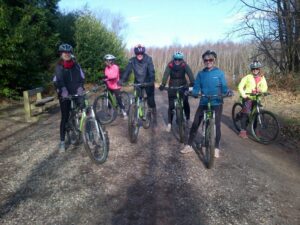
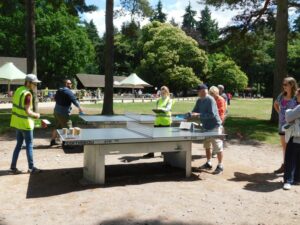
An initial trial of the programme ran from 2014 for three years and took place on five Forestry Commission managed sites in England. The programme included improvements to facilities on site such as new or improved cycling and running trails, organised regular weekly activities such as Nordic Walking and Pilates, and organised events such as 10 km runs, duathlons and orienteering.
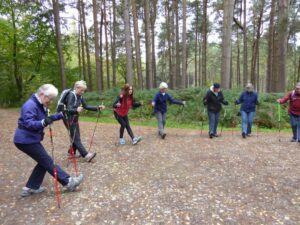
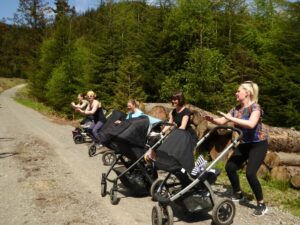
At Forest Research, we led the evaluation of the trial programme. We wanted to understand what activities the programme had enabled, who got involved and what were the benefits and challenges of getting involved.
We found there were over 700,000 sporting visits made to the five sites over the three years of the trial of the Active Forest Programme. Importantly, less active people such as those doing a sporting activity once a month or less, significantly increased their sporting activity moving to doing sporting activity once a week or more.
The top five most popular activities were cycling, running, orienteering, bat and racket sports and fitness activities and the main benefits of taking part identified by over 80% of respondents were:
Beauty, scenery, wildlife, sensory and seasonal experiences, such as a sense of freedom and getting away from everyday life were important motivations for participants who said these greatly enhanced their experience of being active in nature.
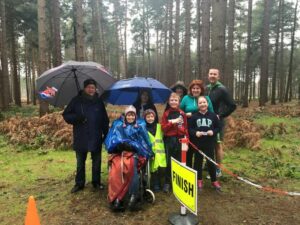
The trial of the Active Forest Programme is now complete. Given its success it has been expanded to fourteen sites in England and there are plans for this number to increase further.
Lessons from our evaluation of the trial were used to adapt and develop the programme. For example we highlighted the important role of developing physical activity opportunities on site and significant contribution of volunteers to the success of the programme. We also showed that the motivations and benefits people gained were strongly consistent over the trial programme and that the forest sites added to the whole experience of being physically active.
You might be interested in reading the full report or the summary report of the evaluation.
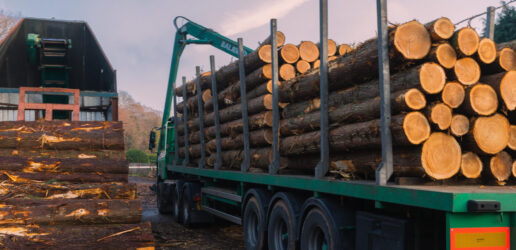
Forest Research has released the latest Accredited Official Statistics on woodland and forestry in the UK.
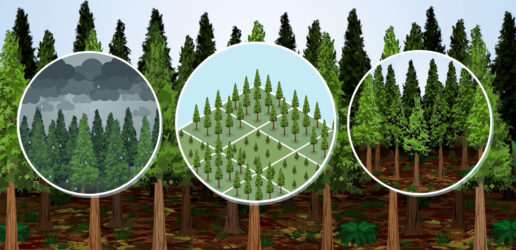
As Forest Research and Forestry England release five animations spotlighting productive tree species, Dr Tom Ovenden, silviculture and species scientist at Forest Research, discusses resilience, diversification and the future of forestry.
Forest Research, on behalf of the Forestry Commission, Scottish Forestry, and Welsh Government, has launched the Forestry Workforce Census. It aims to better understand what the forestry operations workforce in Great Britain looks like today.
Forest Research has released the latest Accredited Official Statistics on woodland and forestry in the UK.
As Forest Research and Forestry England release five animations spotlighting productive tree species, Dr Tom Ovenden, silviculture and species scientist at Forest Research, discusses resilience, diversification and the future of forestry.
Forest Research, on behalf of the Forestry Commission, Scottish Forestry, and Welsh Government, has launched the Forestry Workforce Census. It aims to better understand what the forestry operations workforce in Great Britain looks like today.