We use some essential cookies to make this website work. We’d like to set additional cookies to understand how you use forestresearch.gov.uk, remember your settings and improve our services. We also use cookies set by other sites to help us deliver content from their services.
Call for arboriculture professionals to take part in new tree health survey
Tree professionals working in arboriculture are being asked to take part in a new tree health survey as part of a DEFRA-funded project looking at pathways and practices concerning the tree disease, canker stain of plane.
PLEASE NOTE: This survey is now closed and is no longer accepting submissions.
Tree professionals working in arboriculture are being asked to take part in a new tree health survey as part of a DEFRA-funded project looking at pathways and practices concerning the tree disease, canker stain of plane.
Scientists at Forest Research would like to find out more about tree professionals’ knowledge of the disease, as well as how tree work is carried out in the UK and abroad, particularly in relation to the implementation of biosecurity measures. Scientists are also interested in professionals’ understandingof the risks associated with the movement of arboricultural arisingsand equipment.
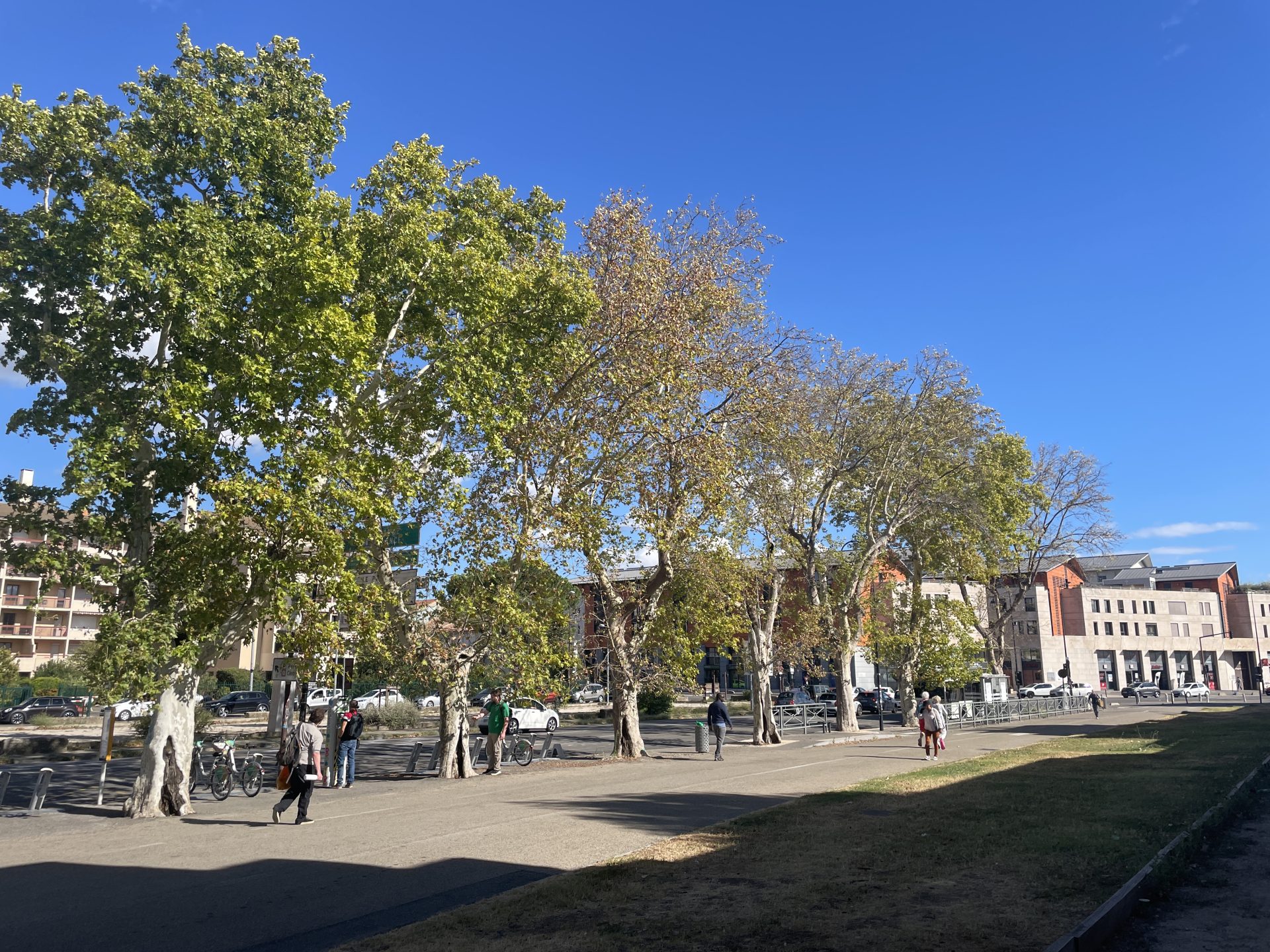
Canopy decline of plane trees caused by Ceratocystis platani in southern France. Image: Mick Biddle, Forest Research
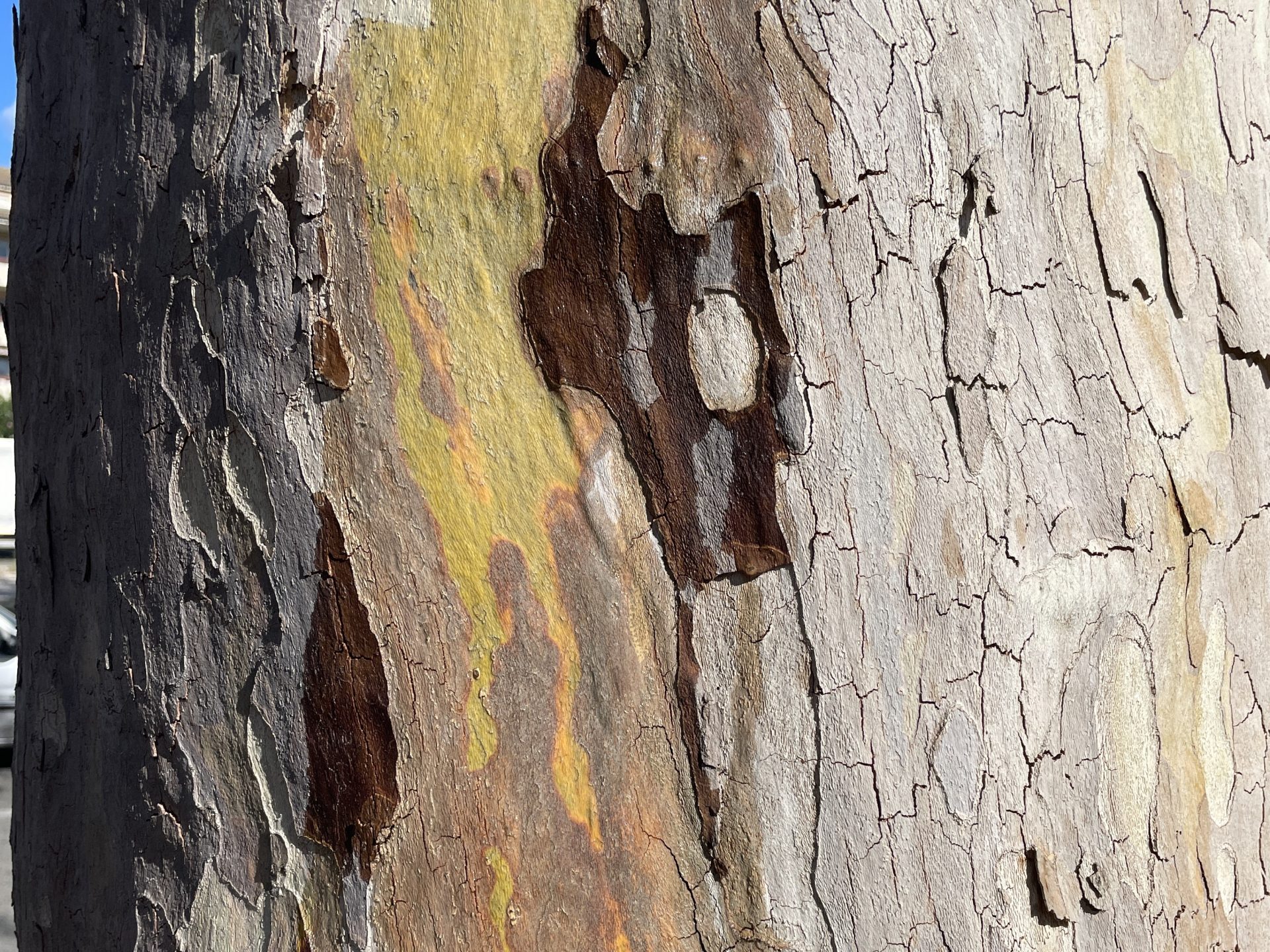
Canker stain of plane is a highly destructive disease which can affect several species of plane (Platanus) trees, including the iconic London plane. The disease is not currently present in the UK but was accidentally introduced to southern Europe from the United States during World War II and is now known to be killing plane trees in several European countries. It is caused by the fungal pathogen, Ceratocystis platani, which affects trees’ water and nutrient transport systems and results in stem cankers accompanied by sudden canopy dieback and wilting of foliage. The disease is consequently sometimes known as “plane wilt”.
Canker stain of plane bark lesions on an infected tree. Image: Mick Biddle, Forest Research.
Mick Biddle, Forest Research, said, “In the UK, plane trees form an important component of our urban treescapes and are commonly found in our parks,public gardens and lining our streets. They are highly valued in towns and cities for providing shade as well as tolerating air pollution and water shortages. Canker stain of plane would pose a significant risk to our plane trees and our urban tree cover. Once infected, trees can die quickly, sometimes in as little as two years.”
He continued, “We would like as many tree surgeons, tree officers and arboricultural consultants as possible to take part in our quick-fire survey. It should only take a few minutes but it is worth the time as it will deepen our understanding of disease pathways for this and other tree health threats. The information will help enhance the UK’s protection and contingency planning measures and allow us to create effective resources for practitioners.”
{"raw":"Call for arboriculture professionals to take part in new tree health survey","rendered":"Call for arboriculture professionals to take part in new tree health survey"}
A new handbook for forest managers on continuous cover forestry (CCF) is now available. Authored and published by Forest Research, the best practice guide covers information on both transforming stands to continuous cover forestry (CCF) and on managing stands using CCF approaches.
A new handbook for forest managers on continuous cover forestry (CCF) is now available. Authored and published by Forest Research, the best practice guide covers information on both transforming stands to continuous cover forestry (CCF) and on managing stands using CCF approaches.
We use 3 types of cookie. You can choose which cookies you're happy for us to use.
Strictly necessary cookies
Always On
These essential cookies do things like remember your progress through a form.
They always need to be on.
Cookies that measure website use
We use Google Analytics to measure how you use the website so we can improve it based on user needs.
Google Analytics sets cookies that store anonymised information about:
how you got to the site
the pages you visit on forestresearch.gov.uk and how long you spend on each page
what you click on while you're visiting the site
Cookies that help with our communications and marketing
Some forestresearch.gov.uk pages may contain content from other sites, like YouTube or Flickr, which may set their own cookies. These sites are sometimes called ‘third party’ services. This tells us how many people are seeing the content and whether it’s useful.