A spy in the woods
26 Sep 2019

A new study by researchers from the University of Stirling and Forest Research is aiming to examine the impact of deer on the development of woodland ecosystems by using camera traps. The innovative study, which has received funding from the British Deer Society, will use automated cameras to quantify woodland use by deer as well as assessing their impacts on woodland vegetation/structure, and the potential cascade of effects on woodland biodiversity.

This study forms part of the ongoing Woodland Creation & Ecological Networks (WrEN) project, a large-scale natural experiment designed to look at the development of biodiversity in secondary woodlands created over the past 160 years.
Since 2013, over 100 woodland sites created on former agricultural land between 1850 and 2000 have been surveyed for a wide range of species. To date, over 1100 species have been recorded, including vascular plants, lichens, bryophytes, invertebrates, small mammals, bats and birds.
WrEN’s initial findings have improved our understanding of how woodland attributes (such as vegetation structure) and landscape-level factors (such as the degree of connectivity) influence successful colonisation and capitalisation of new resources by woodland biodiversity. Woodland structure has been identified as a key variable for many groups of woodland species.
New insights from the camera trapping study, in addition to existing data, will give valuable information to maximise the benefits of woodland creation for biodiversity and help inform future conservation actions.
More information on this partnership work is available from the WrEN project website.
Forest Research, on behalf of the Forestry Commission, Scottish Forestry, and Welsh Government, has launched the Forestry Workforce Census. It aims to better understand what the forestry operations workforce in Great Britain looks like today.

Dr Matt Wilkinson, NCEA Programme Manager at Forest Research talks about how we are trailblazing new technology and implementing innovations as part of the most significant ecosystem assessment ever conducted in the UK.
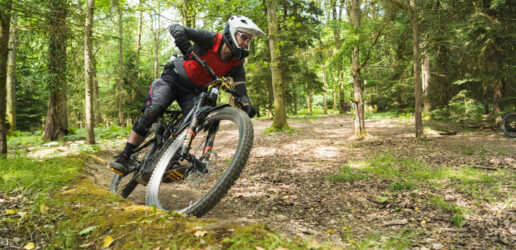
Forest Research, in partnership with the University of Exeter’s Centre for Net Positive Health and Climate Solutions, is leading a new study investigating outdoor nature-based recreation, health and climate change.
Forest Research, on behalf of the Forestry Commission, Scottish Forestry, and Welsh Government, has launched the Forestry Workforce Census. It aims to better understand what the forestry operations workforce in Great Britain looks like today.
Dr Matt Wilkinson, NCEA Programme Manager at Forest Research talks about how we are trailblazing new technology and implementing innovations as part of the most significant ecosystem assessment ever conducted in the UK.
Forest Research, in partnership with the University of Exeter’s Centre for Net Positive Health and Climate Solutions, is leading a new study investigating outdoor nature-based recreation, health and climate change.