
Date
6 August 2026
Reading Time
3 minutes
Last Updated
7 August 2026
Scientists at Forest Research have discovered that some trees within native British juniper populations carry heritable natural resistance to the invasive tree pathogen, Phytophthora austrocedri.
The study, published in Evolutionary Applications, suggests that juniper populations could have the potential to develop wider resistance to Phytophthora austrocedri through natural selection.
However, the findings also indicate that juniper trees varied in their ability to resist different strains of Phytophthora austrocedri.
Therefore, the researchers call for the promotion of natural regeneration in juniper conservation efforts and the avoidance of planting which can introduce new variants of Phytophthora austrocedri.
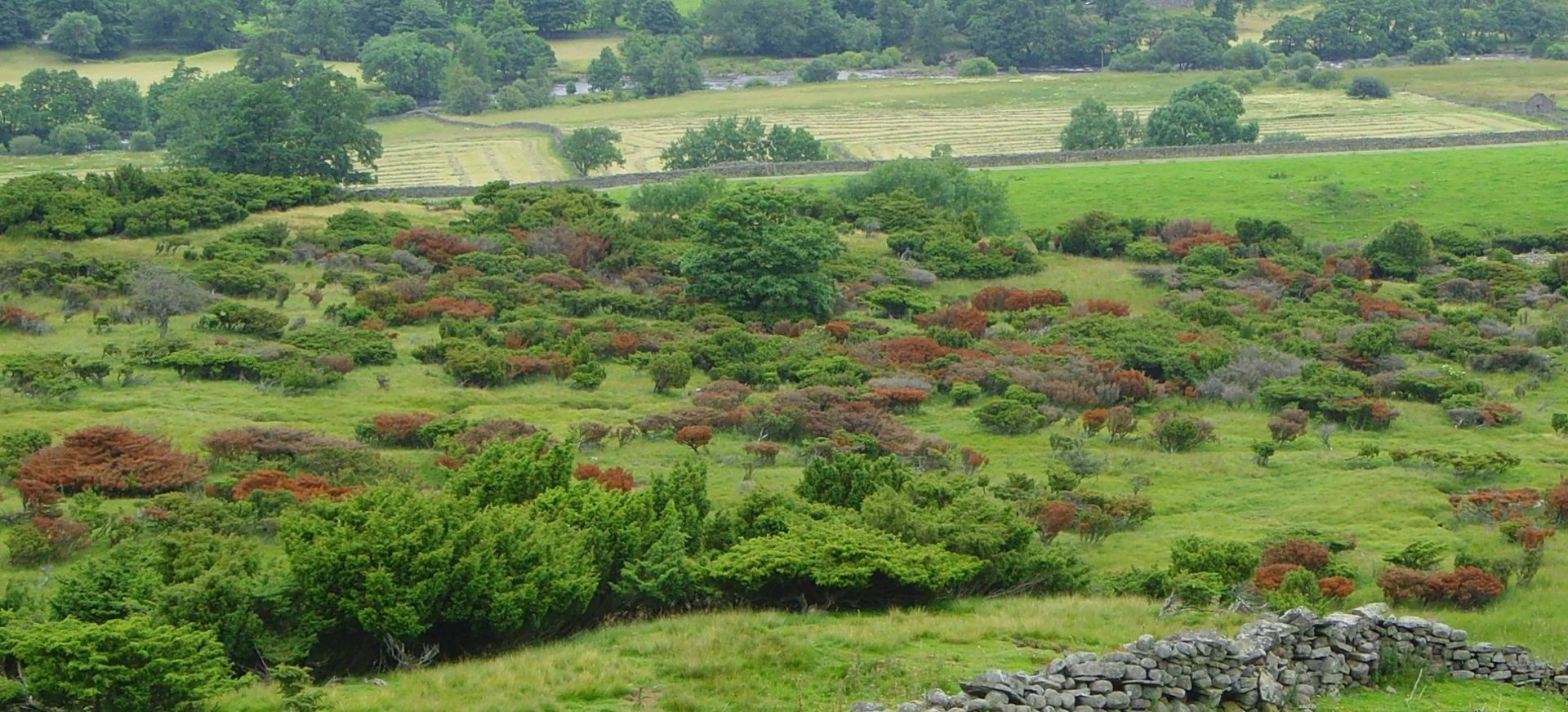
“Our findings are encouraging as they suggest that resistance to Phytophthora austrocedri has a genetic basis and could become more common in juniper populations through natural selection,” said lead author, Daisy Crowson, research scientist at Forest Research.
“However, what we’re seeing is that resistance, or partial resistance, to one strain of Phytophthora austrocedri doesn’t necessarily mean resistance to another.
“We need to be careful not to introduce new genotypes by, for example, inadvertently transporting variants of Phytophthora austrocedri. Even planting saplings grown in nurseries which are resistant to Phytophthora austrocedri could introduce a new strain of the pathogen that the established population has no resistance to.”
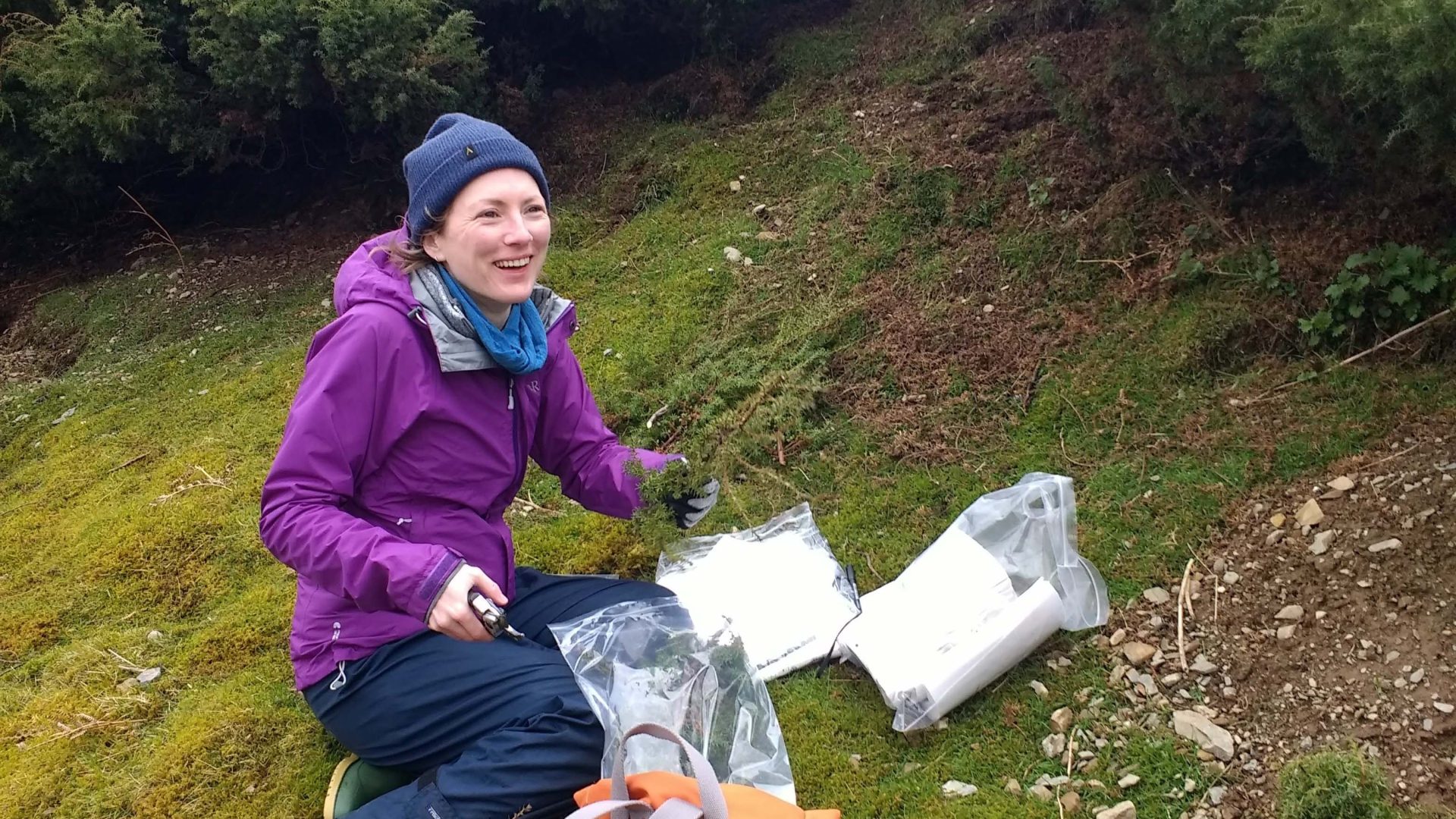
The researchers carried out two inoculation experiments to determine if resistance to Phytophthora austrocedri was a heritable trait and whether juniper populations have the potential to adapt to the pathogen over time.
The first experiment involved collecting shoots from ten healthy juniper trees taken from a population in the Lammermuir Hills in Scotland. These were then infected with six different strains of Phytophthora austrocedri in the lab and the lesions caused by the pathogen measured.
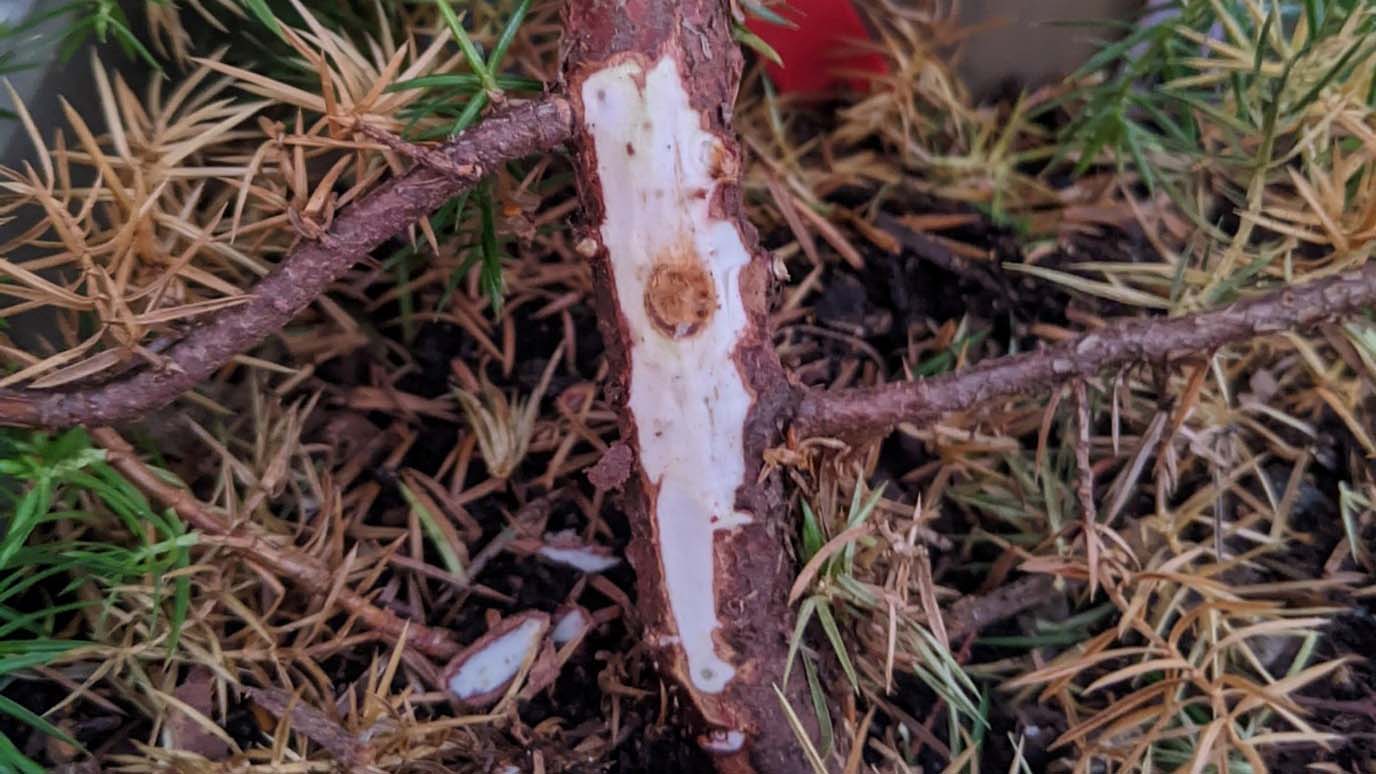
The second experiment saw seeds collected from 54 families across 13 British juniper populations. The sibling trees were grown for six years and infected with a highly virulent strain of Phytophthora austrocedri. The subsequent lesions were measured.
Overall, the study found that lesion length showed moderate to high heritability and lesion development showed very high heritability. It was also found that different strains of the pathogen caused varying levels of disease in different juniper genotypes. Finally, it was found that saplings grown from populations that had high exposure to the pathogen had a lower predicted probability of developing a lesion, suggesting that natural selection may already be taking place.
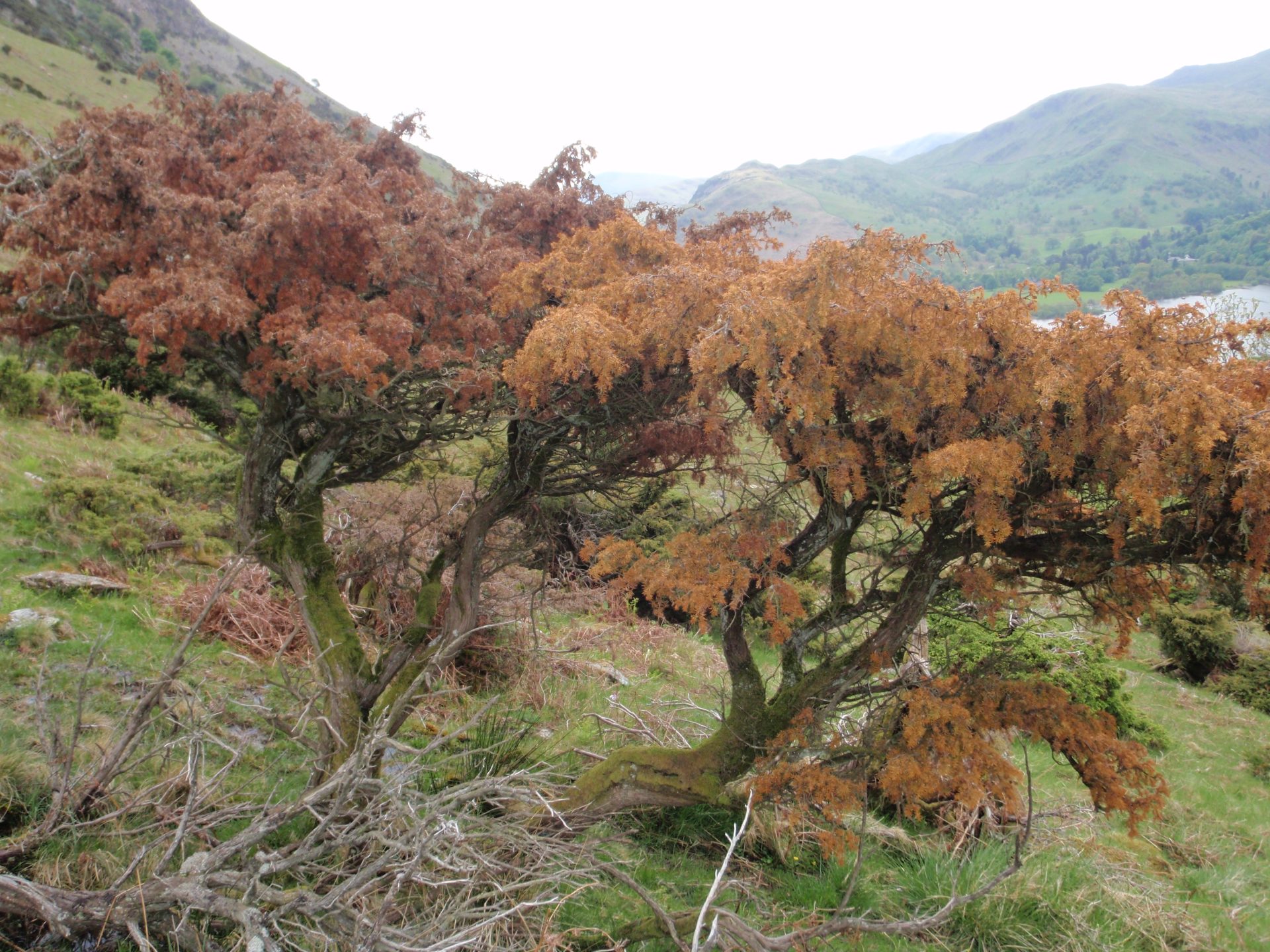
“Juniper is one of only three native conifer species and plays an important ecological role in UK landscapes,” said Dr Sarah Green, Principal Pathologist at Forest Research.
“The species is considered vulnerable because it forms small, isolated populations with low levels of natural regeneration.
“However, we must work to encourage natural regeneration within populations to give juniper the best chance of passing on heritable resistance to Phytophthora austrocedri.”
The research was carried out in collaboration with the University of Edinburgh and the UK Centre for Ecology and Hydrology. It was funded by the Science and Innovation Strategy (SIS), which is jointly funded by the Forestry Commission, Defra, Scottish Forestry and the Welsh Government.
Recent News
View All news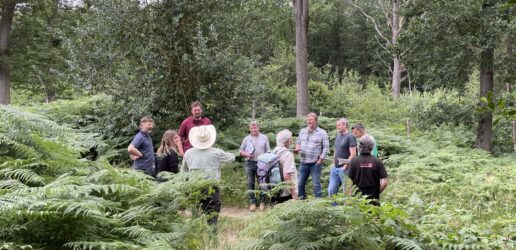
One summer, 11 locations, 160 people.
Growing a community equipped with the skills to assess oak health.
Oak health webinar: observing and understanding oak health across the UK
Join for an update on the Forest Lab oak health project, showing how monitoring oak tree condition, pests, and diseases can help woodland managers make informed decisions to protect and manage oak woodlands across the UK.
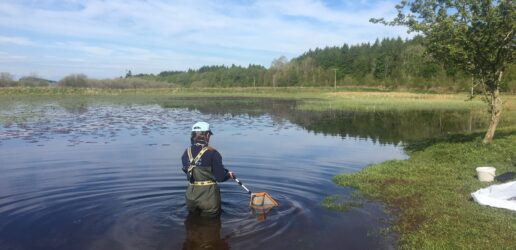
“We need people to be recording nature when out and about to help us learn as much as possible about our world.”
Forest Research entomology scientist, Molly Davidson, discusses her work as a diagnostician for TreeAlert, the hidden world of moths, and a new survey investigating what motivates people to take part in citizen science.
One summer, 11 locations, 160 people.
Growing a community equipped with the skills to assess oak health.
Oak health webinar: observing and understanding oak health across the UK
Thursday 3 Dec 2026
Online
Join for an update on the Forest Lab oak health project, showing how monitoring oak tree condition, pests, and diseases can help woodland managers make informed decisions to protect and manage oak woodlands across the UK.
“We need people to be recording nature when out and about to help us learn as much as possible about our world.”
Forest Research entomology scientist, Molly Davidson, discusses her work as a diagnostician for TreeAlert, the hidden world of moths, and a new survey investigating what motivates people to take part in citizen science.