
Summary
What is the NCEA ToW survey?
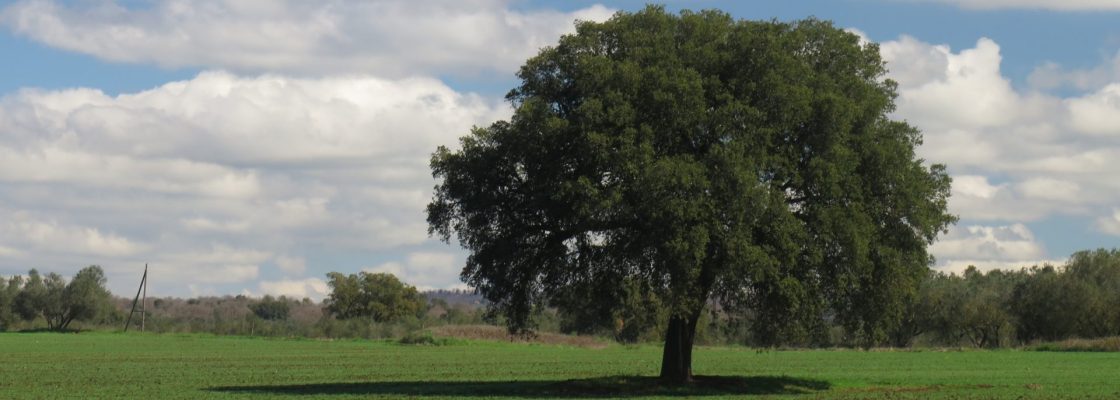
The NCEA Trees Outside Woodland (TOW) survey measures the extent and condition of trees that lie outside large, traditional woodland and forested areas in England. These include individual trees, small clusters, and hedgerows with tree elements.
Why is this important?
Although not forming full woodlands, TOW features play a vital role in supporting biodiversity, improving habitat connectivity, and regulating local microclimates—especially by providing shade and cooling in urban settings. They also store significant amounts of carbon collectively and contribute to the character and visual quality of both rural and urban landscapes
What will we learn?
This survey is enabling better monitoring, mapping, and management of these valuable assets.
Research Objectives
Key objectives of the NCEA Trees Outside Woodland (TOW) survey are to:
- Map and measure trees outside woodland (<0.5 ha), including lone trees, hedgerows and small woods.
- Fill national evidence gaps where these features were previously under recorded, especially in urban and agricultural landscapes.
- Support the Natural Capital and Ecosystem Assessment (NCEA) by providing high quality data on the condition, structure and location of TOW features.
- Use a robust, stratified sampling design to generate representative data across England.
- Complement the National Forest Inventory (NFI) and enable future monitoring of changes in England’s non‑woodland tree resource.
Latest Update
In 2025 we published our first batch of analysis ready data (ARD) for 2023. Data from subsequent years will be released throughout 2026-2028 so watch this space.
On completion of the survey, this important data set will contribute to the Baseline Assessment of Natural Capital final report from NCEA, a key deliverable for the programme.
Funding & Partners
- Funded by the UK Government through Defra’s Natural Capital and Ecosystem Assessment programme (NCEA)
-

-