Introducing the concept of Carbon-Smart Forestry
7 Jul 2026

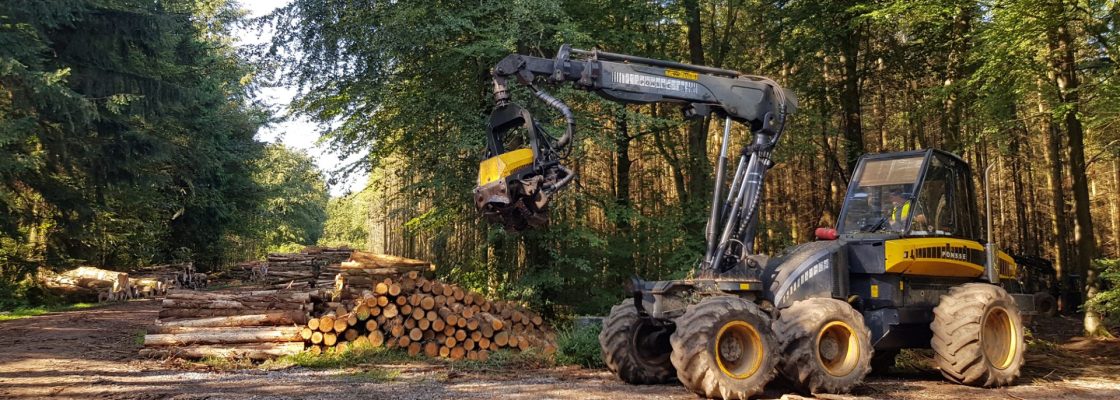
A new feature article written by Forest Research exploring Carbon-Smart Forestry, an important component of Climate-Smart Forestry, has been published today by the Royal Forestry Society.
Available both in the summer edition of the Quarterly Journal of Forestry and on the Royal Forestry Society website, ‘Carbon-Smart Forestry: What Could it Look Like?’ explains how managing existing woodlands can contribute towards carbon sequestration, setting out key principles for forestry practitioners while noting the need to balance multiple management objectives.
It also discusses how much carbon is in woodlands, with soil carbon representing nearly 70% of the total stock in woodlands at UK national scale.
Defined as ‘the act of planning and carrying out forest management with awareness of potential impacts on the carbon balance’, Carbon-Smart Forestry outlines what is within the power of woodland planners, owners and managers to influence in terms of carbon in their woodlands and contribute towards the goal of achieving net zero emissions.
The article focuses on the conservation or enhancement of carbon in existing woodlands and enhancing wood production in existing woodlands, to achieve substitution in other sectors, and emphasises the potential trade-offs between the two.
For an overview of some of the main topics regarding carbon, including the carbon impacts of managing woodland, climate change impacts on soil carbon and wood products, visit the Forest Research Climate Change Hub.
Forest Research, on behalf of the Forestry Commission, Scottish Forestry, and Welsh Government, has launched the Forestry Workforce Census. It aims to better understand what the forestry operations workforce in Great Britain looks like today.

Dr Matt Wilkinson, NCEA Programme Manager at Forest Research talks about how we are trailblazing new technology and implementing innovations as part of the most significant ecosystem assessment ever conducted in the UK.
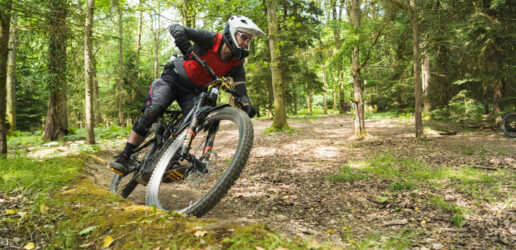
Forest Research, in partnership with the University of Exeter’s Centre for Net Positive Health and Climate Solutions, is leading a new study investigating outdoor nature-based recreation, health and climate change.
Forest Research, on behalf of the Forestry Commission, Scottish Forestry, and Welsh Government, has launched the Forestry Workforce Census. It aims to better understand what the forestry operations workforce in Great Britain looks like today.
Dr Matt Wilkinson, NCEA Programme Manager at Forest Research talks about how we are trailblazing new technology and implementing innovations as part of the most significant ecosystem assessment ever conducted in the UK.
Forest Research, in partnership with the University of Exeter’s Centre for Net Positive Health and Climate Solutions, is leading a new study investigating outdoor nature-based recreation, health and climate change.