New Mental Health First Aid Network within Forest Research
10 Oct 2019

Communicative, open, and safe are three organisational values that we champion within Forest Research. As part of our values, we have recently developed a Mental Health First Aid (MHFA) Network, and now have 21 trained Mental Health First Aiders spread across the UK. This is a new initiative for us and is part of a wider approach to supporting the wellbeing of our staff, both physical and mental – keeping our staff safe and well. It is also a recognition and willingness, as an organisation, to support open conversations on mental health, and to break down the barriers of any associated stigma in its many guises.
The MHFA programme was created in Australia almost 20 years ago and Scotland was the first country to adopt it outside Australia in 2003. England followed in 2006 and now many countries across the world have adopted the programme. The aims of any first aid programme are to preserve life; to prevent deterioration; to promote recovery; and to provide comfort to someone who is ill, injured, or distressed. Over the years, it has been shown that MHFA training also improves knowledge, reduces stigmatising attitudes, and increases first aid actions towards those who need it and we look forward to growing these benefits for our staff.
We are using the training of Mental Health First Aiders to complement our existing physical First Aid network and the wider mental health awareness sessions that we have been rolling out to our managers. This year we are also taking part in Mind’s Workplace Wellbeing Index Survey and look forward to moving our initiatives forward following the results of that in 2020.
If you would like to know more about the Mind Wellbeing Index please see webpages at Mind.
For details of Mental Health First Aid courses please see:

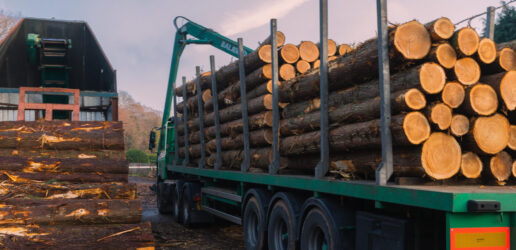
Forest Research has released the latest Accredited Official Statistics on woodland and forestry in the UK.
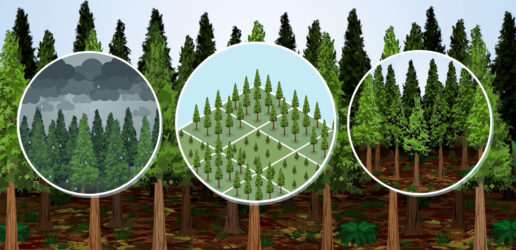
As Forest Research and Forestry England release five animations spotlighting productive tree species, Dr Tom Ovenden, silviculture and species scientist at Forest Research, discusses resilience, diversification and the future of forestry.
Forest Research, on behalf of the Forestry Commission, Scottish Forestry, and Welsh Government, has launched the Forestry Workforce Census. It aims to better understand what the forestry operations workforce in Great Britain looks like today.
Forest Research has released the latest Accredited Official Statistics on woodland and forestry in the UK.
As Forest Research and Forestry England release five animations spotlighting productive tree species, Dr Tom Ovenden, silviculture and species scientist at Forest Research, discusses resilience, diversification and the future of forestry.
Forest Research, on behalf of the Forestry Commission, Scottish Forestry, and Welsh Government, has launched the Forestry Workforce Census. It aims to better understand what the forestry operations workforce in Great Britain looks like today.