Our projects
Learn more about the work our scientists, technicians, surveyors and remote sensing teams are delivering as part of the programme.

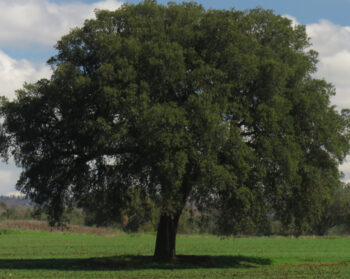
The NCEA ToW field survey maps and assesses England’s non-woodland trees and hedgerows, which support biodiversity, habitat connectivity, carbon storage and urban cooling, informing their management and protection.
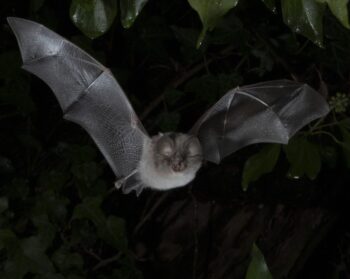
The National Woodland Bat Survey uses acoustic monitoring to assess bat populations in England’s woodlands, providing baseline data on ecosystem health, long-term trends, and woodland soundscapes.
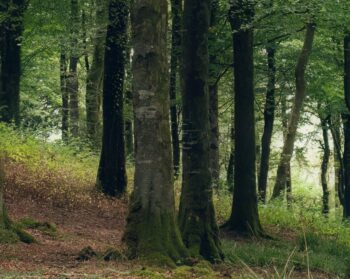
These projects use DNA and eDNA metabarcoding to monitor woodland biodiversity across England, overcoming traditional survey limitations and providing evidence for national forest condition assessments and monitoring.
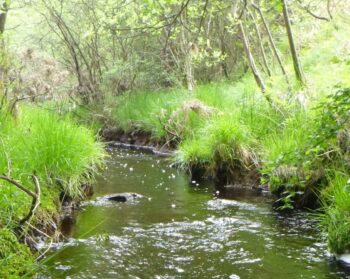
This project measures water quality across England’s woodland streams, strengthening evidence to quantify and value water quality improvements and target woodland creation where benefits are most needed.
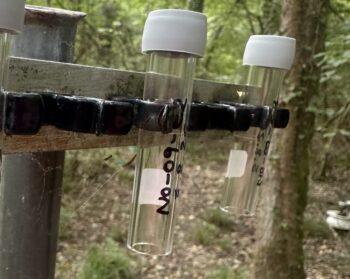
The NCEA Air Quality project assesses data availability and gaps to quantify forests’ air pollution mitigation potential, support modelling development, assess ecosystem impacts, and expand long-term monitoring
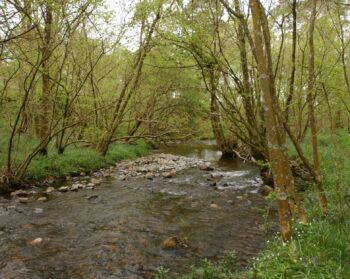
The Expansion of ICP Plots project expanded Forest Research’s intensive monitoring network to seven sites, improving understanding of environmental change impacts on woodlands and supporting air-pollution policy development.

The Trees Outside Woodland (TOW) dataset maps lone trees, tree groups and small woodlands in England beyond the National Forest Inventory woodland map, using remote sensing and geospatial algorithms.
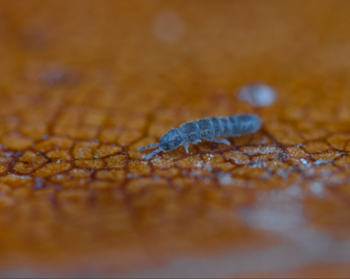
These soil health projects assess national forest soil condition, advance soil biodiversity monitoring through MESOSCAN machine-learning tools, and investigate novel ecoacoustics-based methods to support non-invasive forest management.

The NCEA People Pressure project tested remote technologies to monitor woodland recreation and assess how forest use contributes to threats, social benefits and landscape understanding within England.