New report identifies opportunities and challenges of using green finance for woodland creation
A scoping study on the social dimensions of green finance for woodland creation has been published by scientists at Forest Research.

The report explores real-world examples of land managers’ experiences and perceptions of using green finance – environmentally-targeted sustainable finance – to fund woodland creation in Great Britain.
Woodland creation projects are having to navigate a range of issues when considering, pursuing, and working with green finance. These include:
The report highlighted several opportunities for using green finance from the perspective of woodland creators. These include:
The report outlined the barriers woodland creators perceive in relation to using green finance. These include:
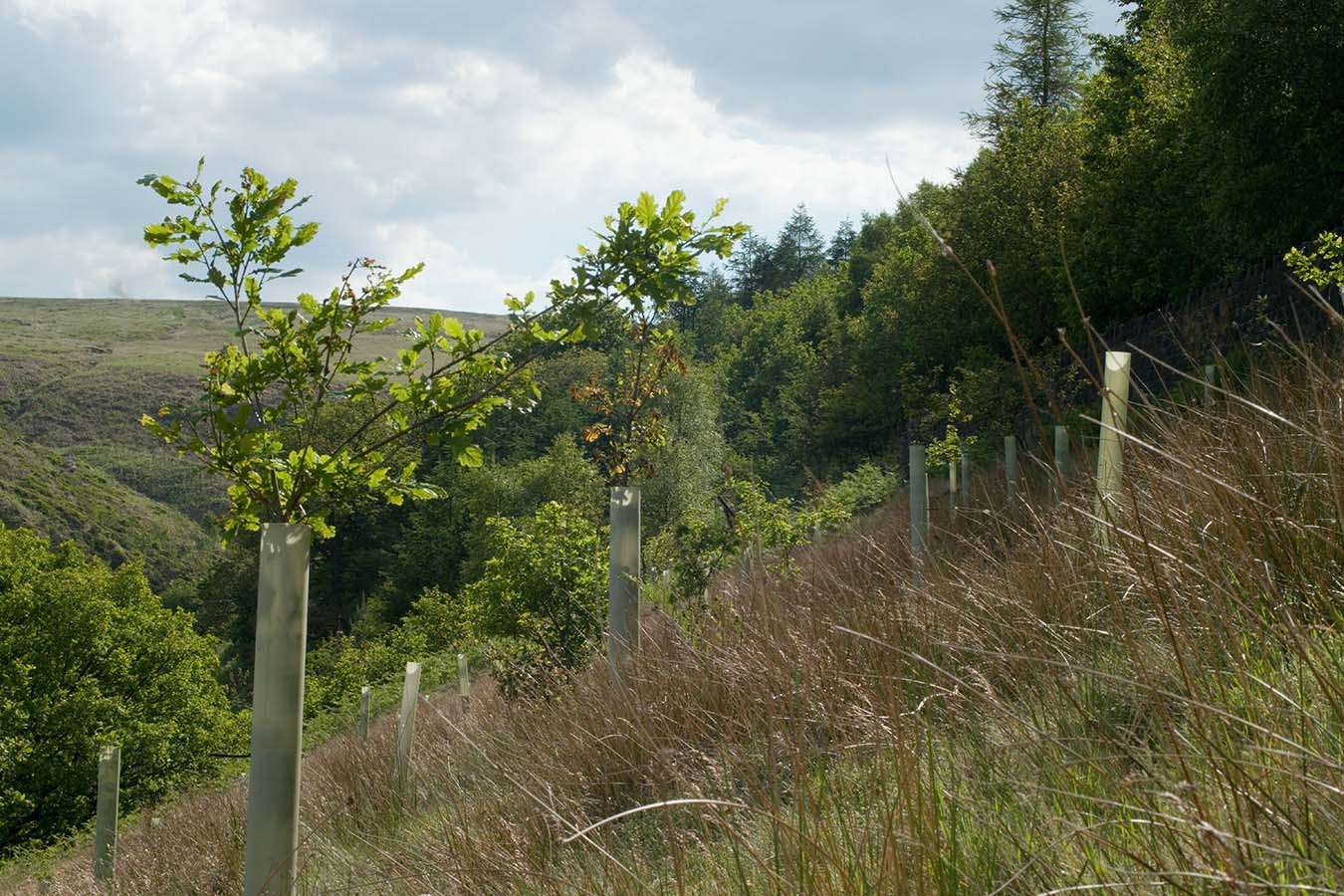
Experts and case study participants emphasised a need for government to play a role in natural capital market regulation. This included:
The report identifies future areas of research in this area, including:
“While green finance presents promising opportunities for woodland creation, realising its full potential will depend on addressing practical challenges, improving support systems, and strengthening the wider policy and regulatory environment,” said Dr Stephen McConnachie, Social Scientist at Forest Research.
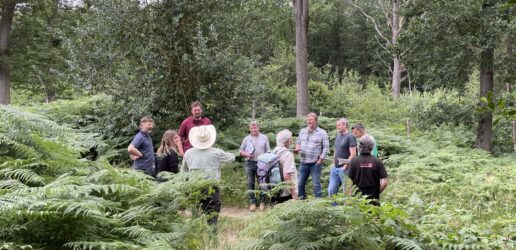
Growing a community equipped with the skills to assess oak health.
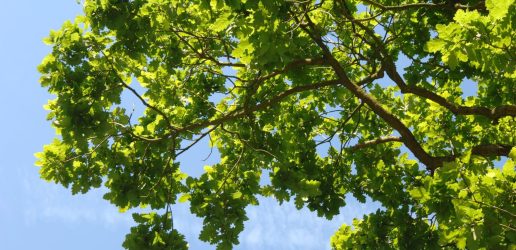
Join for an update on the Forest Lab oak health project, showing how monitoring oak tree condition, pests, and diseases can help woodland managers make informed decisions to protect and manage oak woodlands across the UK.
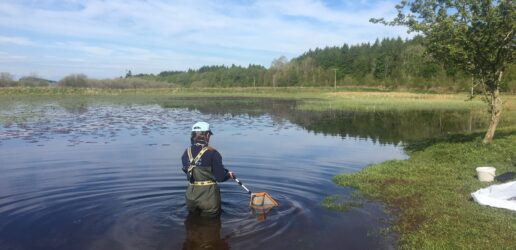
Forest Research entomology scientist, Molly Davidson, discusses her work as a diagnostician for TreeAlert, the hidden world of moths, and a new survey investigating what motivates people to take part in citizen science.
Growing a community equipped with the skills to assess oak health.
Join for an update on the Forest Lab oak health project, showing how monitoring oak tree condition, pests, and diseases can help woodland managers make informed decisions to protect and manage oak woodlands across the UK.
Forest Research entomology scientist, Molly Davidson, discusses her work as a diagnostician for TreeAlert, the hidden world of moths, and a new survey investigating what motivates people to take part in citizen science.