
Date
27 April 2026
Reading Time
2 minutes
Last Updated
27 April 2026
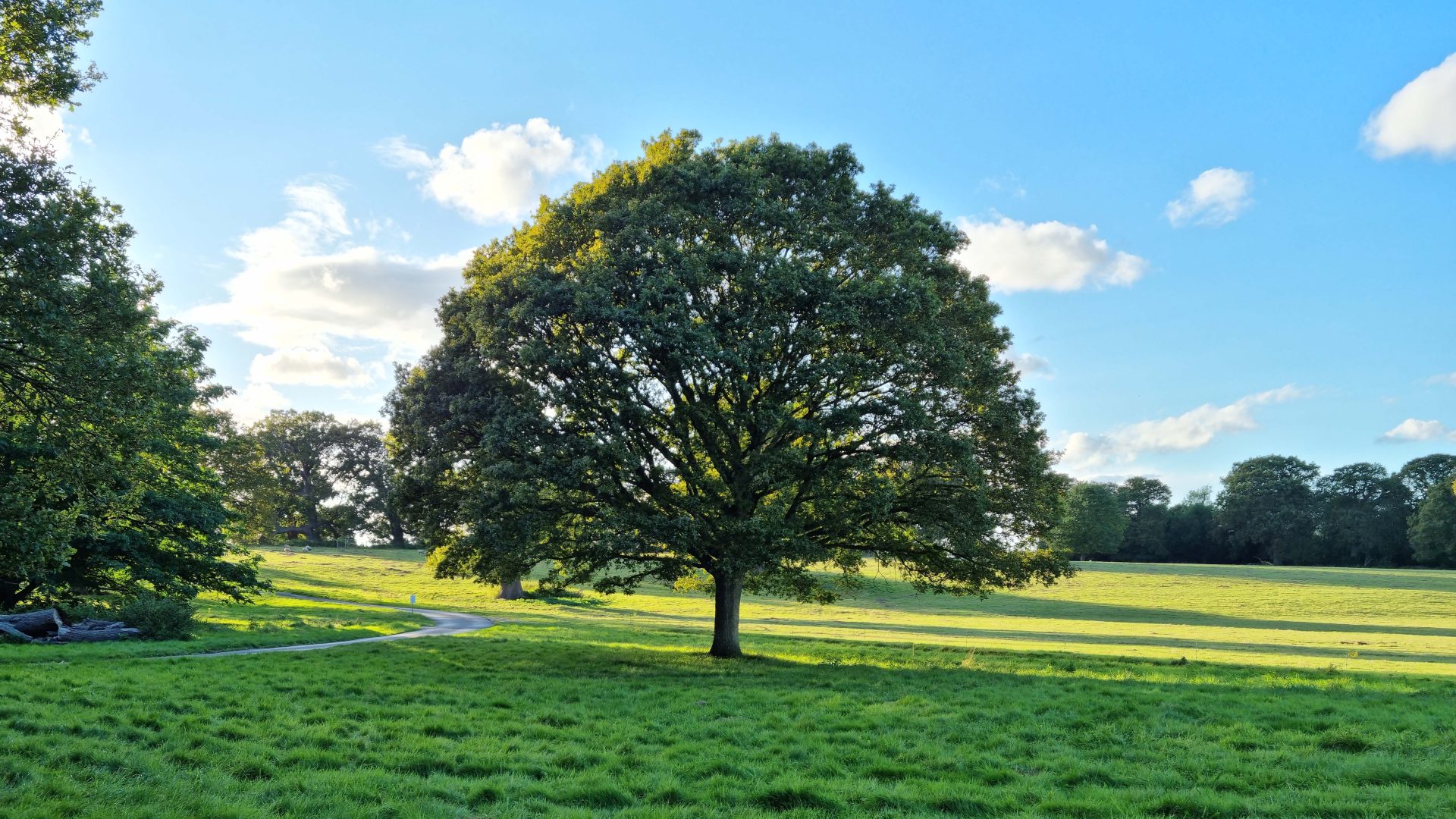
Woodland managers are invited to attend hands-on workshops where they will receive training to use a newly developed app to aid oak health monitoring and management.
Delivered in partnership with Aberystwyth University and the Sylva Foundation, the workshops, which are running at over 11 locations across England and Wales, will provide practical guidance on assessing oak condition, using the app in the field, and collecting valuable monitoring data.
Each session will include expert-led demonstrations, group discussions, and guided field activities.
“We’re excited to invite you to attend one of our workshops, said Nathan Brown, environmental modeller at Forest Research, “by working together, we can improve how oak health is monitored and managed.”
Where are the workshops taking place?
| Date | Site name |
| 16/06/2026 | Llanerchaeron, Ceredigion |
| 17/06/2026 | Attingham, Shrewsbury |
| 18/06/2026 | Nagshead, Forest of Dean |
| 24/06/2026 | Richmond Park, London |
| 25/06/2026 | Wanstead flats, London |
| 30/06/2026 | Wyre Forest, Bewdley |
| 06/07/2026 | Blickling Estate, Norfolk |
| 07/07/2026 | Ickworth Estate, Suffolk |
| 08/07/2026 | Fineshade, Corby |
| 09/07/2026 | Clumber Park, Nottinghamshire |
| 10/07/2026 | Gair Wood, Leeds |
How can I sign up?
Simply complete the online form to register for the workshop of your preference. Full joining instructions will be shared with you by email ahead of your chosen workshop.
About the project
The Forest Lab: Observing and understanding oak health project aims to build a long-term, collaborative approach to oak health monitoring. It aims to develop:
- A growing community of woodland managers empowered to assess, understand, and act on signs of oak decline
- A robust nationwide system for observing and recording oak health across the UK — with potential for future expansion to other tree species.
Why do oaks need protecting?
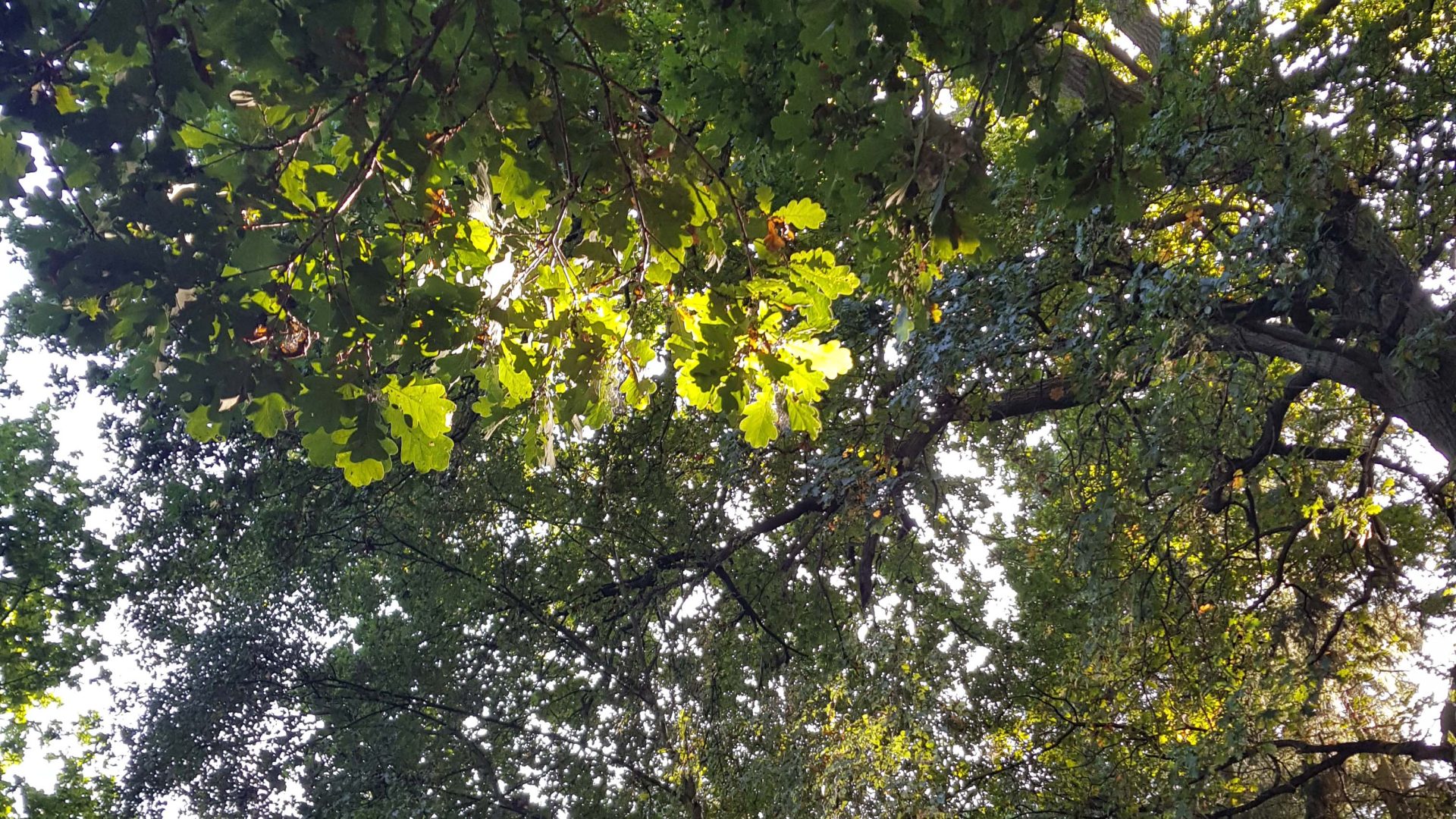
Native oak trees — keystone species in many woodlands — are under threat from environmental change, and in some places by Acute Oak Decline (AOD), mildew, insect defoliation or honey fungus. We are interested to understand where and how these factors are impacting oak health.
Acute Oak Decline (AOD)
AOD can be diagnosed black stem bleeding, D-shaped emergence holes (left by the Agrilus biguttatus beetle) and often a depleted oak crown. The disease can seriously diminish health and resilience of infected trees. AOD can spread within a woodland once introduced and exacerbate existing stresses.
Recent News
View All news
Be counted – take part in the Forestry Workforce Census
Forest Research, on behalf of the Forestry Commission, Scottish Forestry, and Welsh Government, has launched the Forestry Workforce Census. It aims to better understand what the forestry operations workforce in Great Britain looks like today.

Placing nature at the heart of policy and decision making
Dr Matt Wilkinson, NCEA Programme Manager at Forest Research talks about how we are trailblazing new technology and implementing innovations as part of the most significant ecosystem assessment ever conducted in the UK.
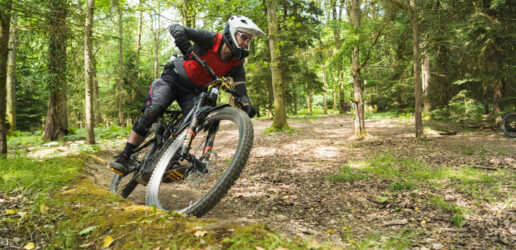
Take part in new research investigating the effects of climate change on outdoor activities
Forest Research, in partnership with the University of Exeter’s Centre for Net Positive Health and Climate Solutions, is leading a new study investigating outdoor nature-based recreation, health and climate change.
Be counted – take part in the Forestry Workforce Census
Forest Research, on behalf of the Forestry Commission, Scottish Forestry, and Welsh Government, has launched the Forestry Workforce Census. It aims to better understand what the forestry operations workforce in Great Britain looks like today.
Placing nature at the heart of policy and decision making
Dr Matt Wilkinson, NCEA Programme Manager at Forest Research talks about how we are trailblazing new technology and implementing innovations as part of the most significant ecosystem assessment ever conducted in the UK.
Take part in new research investigating the effects of climate change on outdoor activities
Forest Research, in partnership with the University of Exeter’s Centre for Net Positive Health and Climate Solutions, is leading a new study investigating outdoor nature-based recreation, health and climate change.