Check a sweet chestnut this spring and summer
26 Mar 2026

Forest Research, working with The Royal Horticultural Society (RHS) and Coventry University, is calling on woodland owners and the public to help check on the health of sweet chestnuts (Castanea sativa) this spring and summer.
The call to action follows findings of sweet chestnut blight, a disease which is usually fatal to sweet chestnut, on multiple trees in Devon. In some areas of England there are now specific restrictions in place to help prevent spread of the disease.
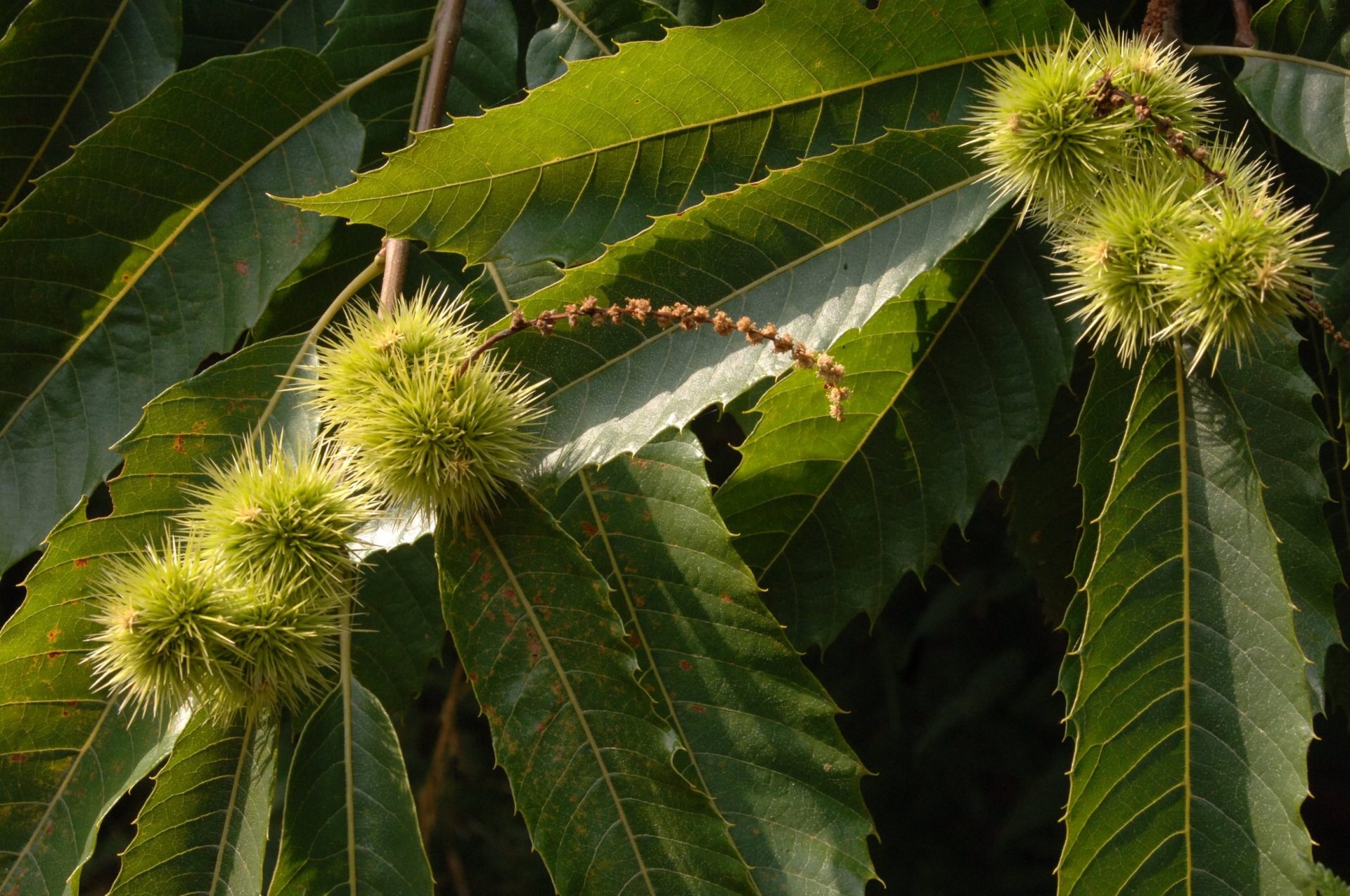
The iconic sweet chestnut (Castanea sativa) has attractive, deeply grooved bark, distinctively jagged-edged leaves and clusters of edible nuts. Despite having been introduced to the UK for cultivation, sweet chestnut supports a wide number of native flora and fauna and is an important source of food for wildlife – including pollinators. Trees can live for up to 700 years when healthy.
Sweet chestnut blight, which is caused by the fungus Cryphonectria parasitica, which enters the tree through wounds, poses no risk to people or animals. However, it can kill sweet chestnut trees and causes a serious, disfiguring decline which is exacerbated by tree stress and drought conditions. Signs of the disease include discoloured and fissured cankers (areas of dead tissue) on stems, with orange pinhead-sized fungal fruiting bodies and buff-coloured fungal fans under the bark. It is spread by wind and rain. Where sweet chestnut are heavily infected, nearby trees of other species can very occasionally be affected by the disease too, though the damage tends to be largely superficial. Horse chestnut trees (Aesculus hippocastanum) are not related to sweet chestnut and are unaffected by the disease.
Over the summer, sweet chestnut trees can also be affected by the oriental chestnut gall wasp, Dryocosmus kuriphilus. This tiny stingless wasp doesn’t cause any damage to humans but lays its egg in the tree’s growth buds. Wasp larvae hatch and cause abnormal growths, known as galls, by feeding on the buds and leaves. Early in the summer, galls can be rose pink or red, and gradually turn green, eventually drying out and turning brown and woody. Adult wasps can easily spread by flying from tree to tree, but they can also be spread on infested material, so galls, buds and shoots of sweet chestnut should not be collected or moved around. In high numbers these galls may weaken the host tree and leave numerous small exit wounds when wasps emerge from their galls, making the tree more vulnerable to other pests and diseases, including sweet chestnut blight.
Lisa Ward, Head of Pathology, Forest Research, said: “We are asking woodland owners and members of the public to remain vigilant for any signs of sweet chestnut blight as well as damage caused by oriental gall wasp. We encourage any suspected findings to be reported through the TreeAlert online portal, with data helping the Forestry Commission monitor, and in the case of sweet chestnut blight, respond quickly to the threat. Your vigilance plays a vital role in protecting our woodlands.”
Jassy Drakulic, Senior Plant Pathologist at the RHS said, “The UK’s gardens are home to 50million trees with sweet chestnuts favoured for their grooved bark and glossy leaves. Equipping gardeners with the skills they need to report those exhibiting signs of blight is important if we are to protect the species for the future and help weather climate change and the biodiversity crisis.”
Data collected from this year’s reporting will feed into a scientific paper led by the RHS and Coventry University on how citizen scientists can protect trees from invasive pests and diseases.
Further information from the RHS about sweet chestnut blight, oriental chestnut gall wasp and ‘Check a Sweet Chestnut’, can be found at Check a sweet chestnut | RHS / RHS.
The Check a Sweet Chestnut campaign will run from March – November, and is in association with Forest Research, the RHS, Defra, APHA, Forestry Commission, Observatree and Coventry University.
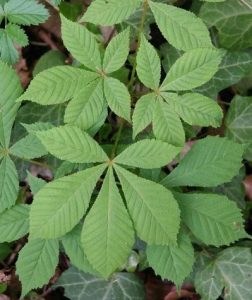
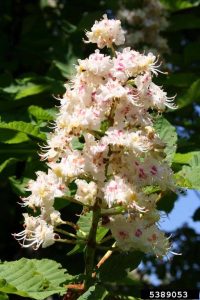
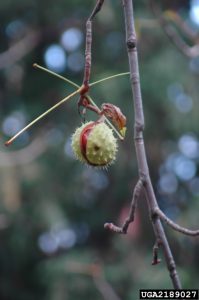
Despite its name Horse Chestnut (Aesculus hippocastanum) is not related to sweet chestnut and has a much less spiny fruit case, showy ‘proper’ flowers and palmate compound leaves arranged in opposite pairs. Horse chestnut is not affected by either Oriental chestnut gall wasp or sweet chestnut blight.
Forest Research, on behalf of the Forestry Commission, Scottish Forestry, and Welsh Government, has launched the Forestry Workforce Census. It aims to better understand what the forestry operations workforce in Great Britain looks like today.

Dr Matt Wilkinson, NCEA Programme Manager at Forest Research talks about how we are trailblazing new technology and implementing innovations as part of the most significant ecosystem assessment ever conducted in the UK.
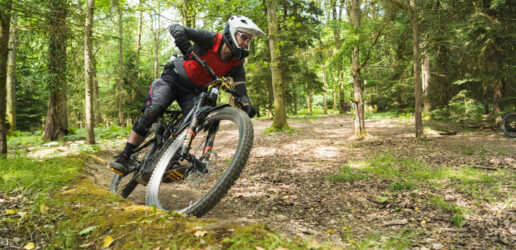
Forest Research, in partnership with the University of Exeter’s Centre for Net Positive Health and Climate Solutions, is leading a new study investigating outdoor nature-based recreation, health and climate change.
Forest Research, on behalf of the Forestry Commission, Scottish Forestry, and Welsh Government, has launched the Forestry Workforce Census. It aims to better understand what the forestry operations workforce in Great Britain looks like today.
Dr Matt Wilkinson, NCEA Programme Manager at Forest Research talks about how we are trailblazing new technology and implementing innovations as part of the most significant ecosystem assessment ever conducted in the UK.
Forest Research, in partnership with the University of Exeter’s Centre for Net Positive Health and Climate Solutions, is leading a new study investigating outdoor nature-based recreation, health and climate change.