Take part in our firewood industry survey to help protect Scotland’s trees
Forest Research are looking for people involved in the harvesting, processing, transport, import, or trade of firewood in Scotland to complete an important survey.

Forest Research are looking for people involved in the harvesting, processing, transport, import, or trade of firewood in Scotland to complete an important survey.
The survey is part of a project led by the Royal Botanic Garden Edinburgh, which will research how the firewood trade in Scotland may impact the potential spread of pests and diseases.
The findings will help ensure that any future support or guidance is useful, practical and based on real-world experiences. Ultimately, we aim to support the firewood industry to ensure better protection of Scotland’s trees, the firewood they supply, and the societal benefits they provide.
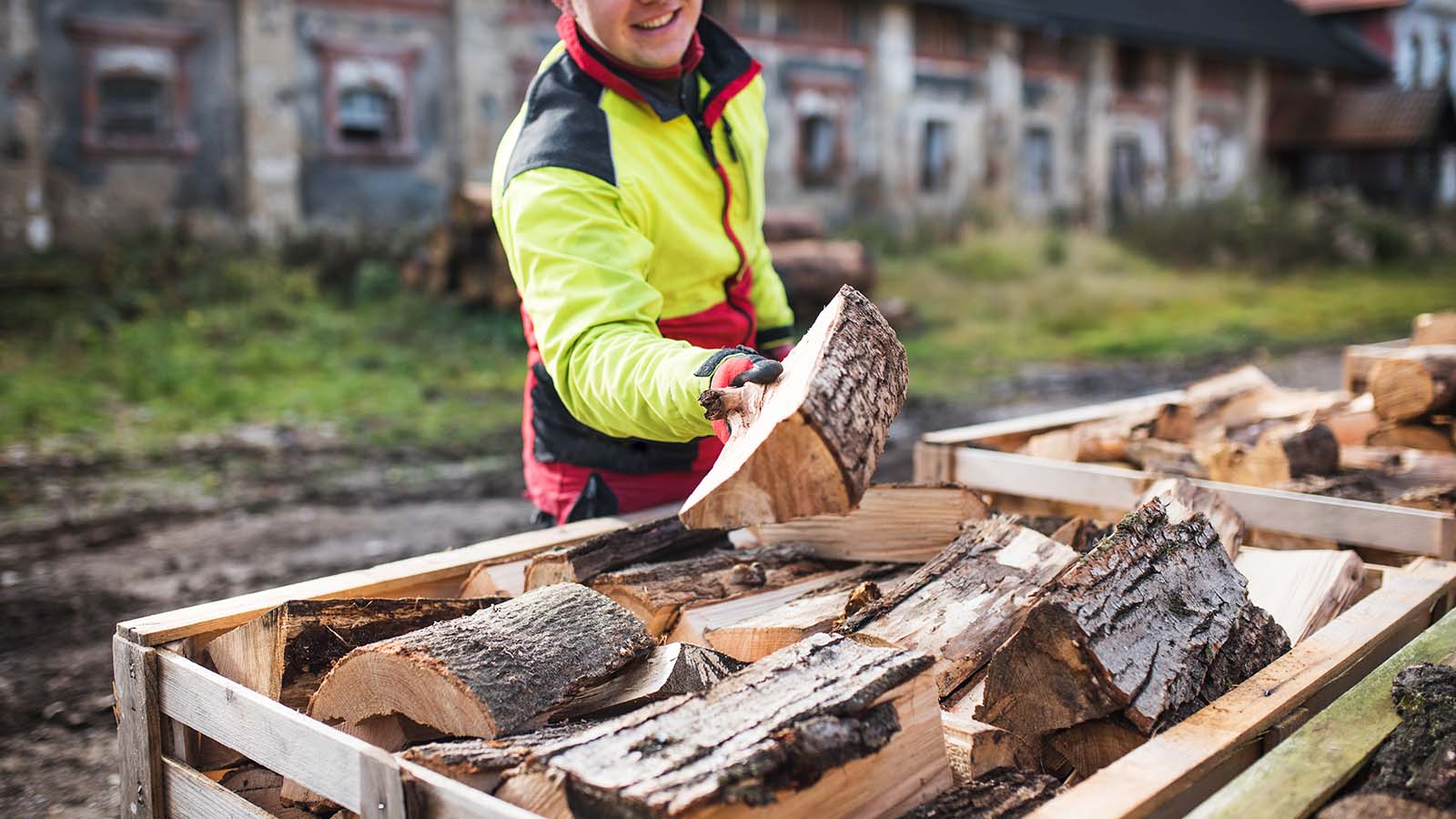
Firewood can contain hidden pests and diseases. These pests and diseases can unintentionally be spread to new areas as firewood is moved into, and around, the country.
The impact of newly introduced pests and diseases could be very damaging for the environment and the sustainability of businesses which rely on trees for firewood.
This research is funded by the Plant Health Centre Scotland. It is carried out in partnership with Forest Research, Sylva Foundation, Cromarty Firth Watershed Environmental Trust, and Sarah McLusky research events and facilitation.
Forest Research, on behalf of the Forestry Commission, Scottish Forestry, and Welsh Government, has launched the Forestry Workforce Census. It aims to better understand what the forestry operations workforce in Great Britain looks like today.

Dr Matt Wilkinson, NCEA Programme Manager at Forest Research talks about how we are trailblazing new technology and implementing innovations as part of the most significant ecosystem assessment ever conducted in the UK.
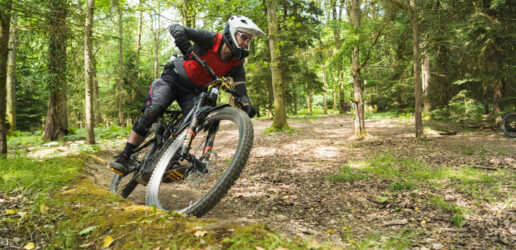
Forest Research, in partnership with the University of Exeter’s Centre for Net Positive Health and Climate Solutions, is leading a new study investigating outdoor nature-based recreation, health and climate change.
Forest Research, on behalf of the Forestry Commission, Scottish Forestry, and Welsh Government, has launched the Forestry Workforce Census. It aims to better understand what the forestry operations workforce in Great Britain looks like today.
Dr Matt Wilkinson, NCEA Programme Manager at Forest Research talks about how we are trailblazing new technology and implementing innovations as part of the most significant ecosystem assessment ever conducted in the UK.
Forest Research, in partnership with the University of Exeter’s Centre for Net Positive Health and Climate Solutions, is leading a new study investigating outdoor nature-based recreation, health and climate change.