
Summary
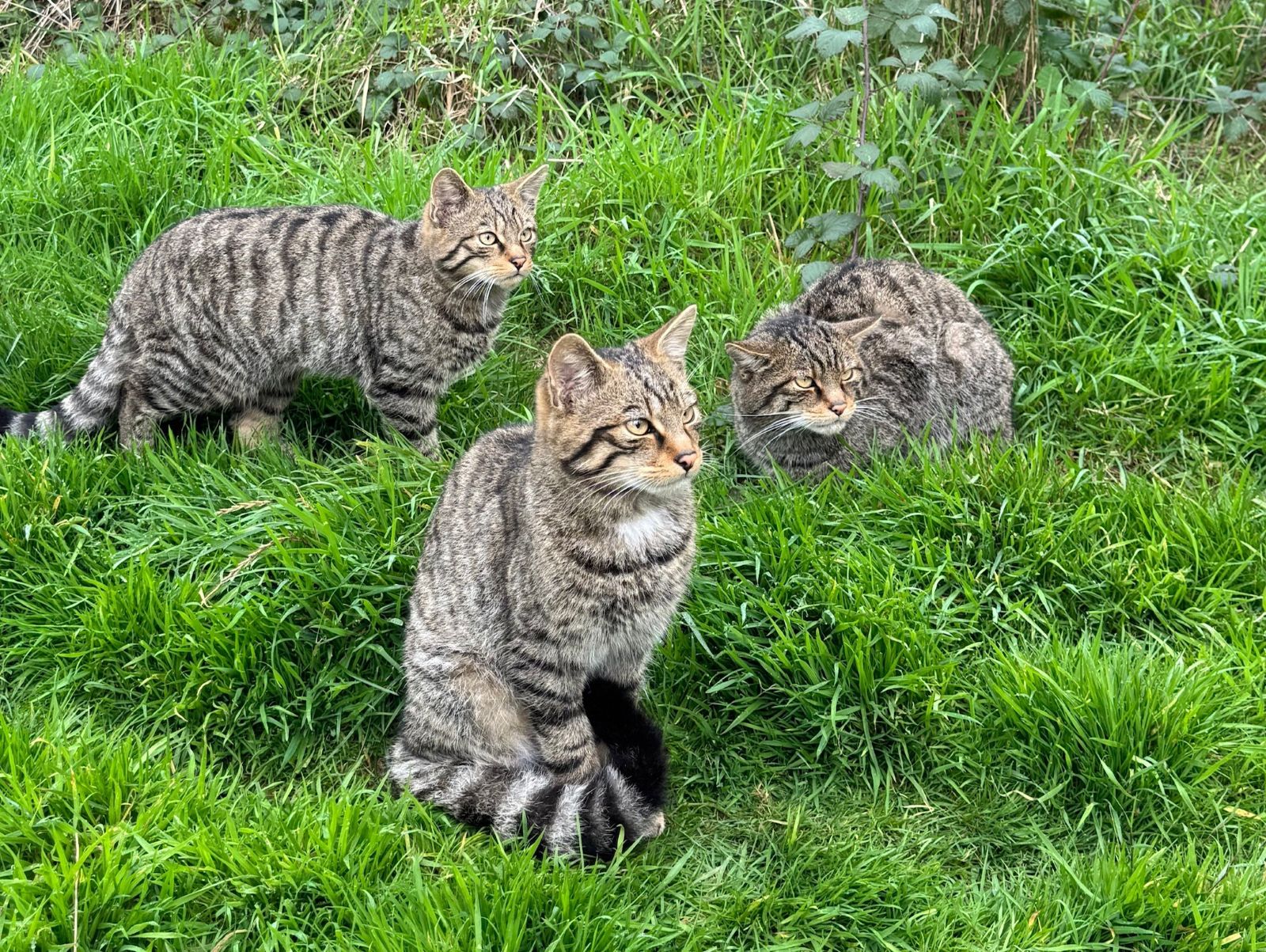
This research explored the social feasibility of a European wildcat reintroduction into Kielder Forest by drawing on the attitudes of key local stakeholders and the local public. The study is consistent with Forestry England’s Forest Wilding Programme which aims to deliver pioneering, long-term landscape-scale nature recovery, including the restoration of wildlife habitats and the natural processes that shape these habitats.
Research Objectives
The study had three key research objectives, including:
- identifying and collating information about local and regional stakeholders whose personal interests or organisational activities may be impacted by the presence of wildcats
- assessing knowledge, attitudes and perceptions of key local and regional stakeholders via in-depth interviews
- assessing knowledge, attitudes and perceptions of the local public via a targeted survey
Findings and Recommendations
The stakeholder mapping exercise led to the identification of 197 individuals and organisations. Twenty-six individuals representing 23 organisations and various interests were invited to participate in an interview either via telephone, online or face-to-face.
Those interviewed noted several perceived benefits of a wildcat reintroduction including restoring the ‘balance of nature’, the direct-use value associated with the prospect of seeing the species or its signs, and the potential to boost local tourism-based businesses.
Concerns were expressed about prey availability, road traffic collisions, hybridisation with domestic cats, and the possibility of persecution by those rearing livestock or game. Specific concerns about predation were noted in respect of lambs as well as the area’s rare/recovering fauna (red squirrel, water voles, pine marten, and several bird species, particularly raptors and ground nesting species ).
Overall, the majority of the interviews (21 out of 26) elicited neutral or supportive responses towards the idea of reintroducing wildcats into Kielder Forest. Only 3 out of 26 interviews elicited opposition, with none ‘strongly opposed’, while 2 chose not to share their support until further information was available on the proposal.
Four-hundred and fifty public survey responses were garnered from the local area using a Computer Assisted Telephone Interviewing (CATI) approach whereby participants are talked through the survey and their responses inputted by a researcher. The survey responses indicated that 27% of the local public were strongly supportive of a wildcat reintroduction, with another 32% largely supportive but requiring some assurances. Only 4% of the respondents were strongly opposed and unwilling to reconsider their position regardless of assurances or further information. Similarly, most respondents believed wildcats would have extremely positive (30%) or positive (25%) impacts if reintroduced. Few thought the impacts would be negative (13%) or extremely negative (8%).
The findings of this study suggest that there is sufficient local support to consider a reintroduction of wildcats into Kielder Forest. However, if a reintroduction is to progress further, we recommend an effective communication strategy to raise the level of knowledge around European wildcat, noting what benefits wildcats provide while communicating any potential risks.
Ongoing stakeholder and community engagement should include evidenced approaches, a clear strategy to mitigate any concerns, and opportunities for those in opposition or with concerns to meaningfully engage with the project.
Our Involvement
Forest Research were commissioned to lead the research with guidance and input from Forestry England and The Australian National University. All analysis and conclusions were derived independently of funders and collaborators.