What’s in a name? Take part in a new survey investigating how old woodland is described
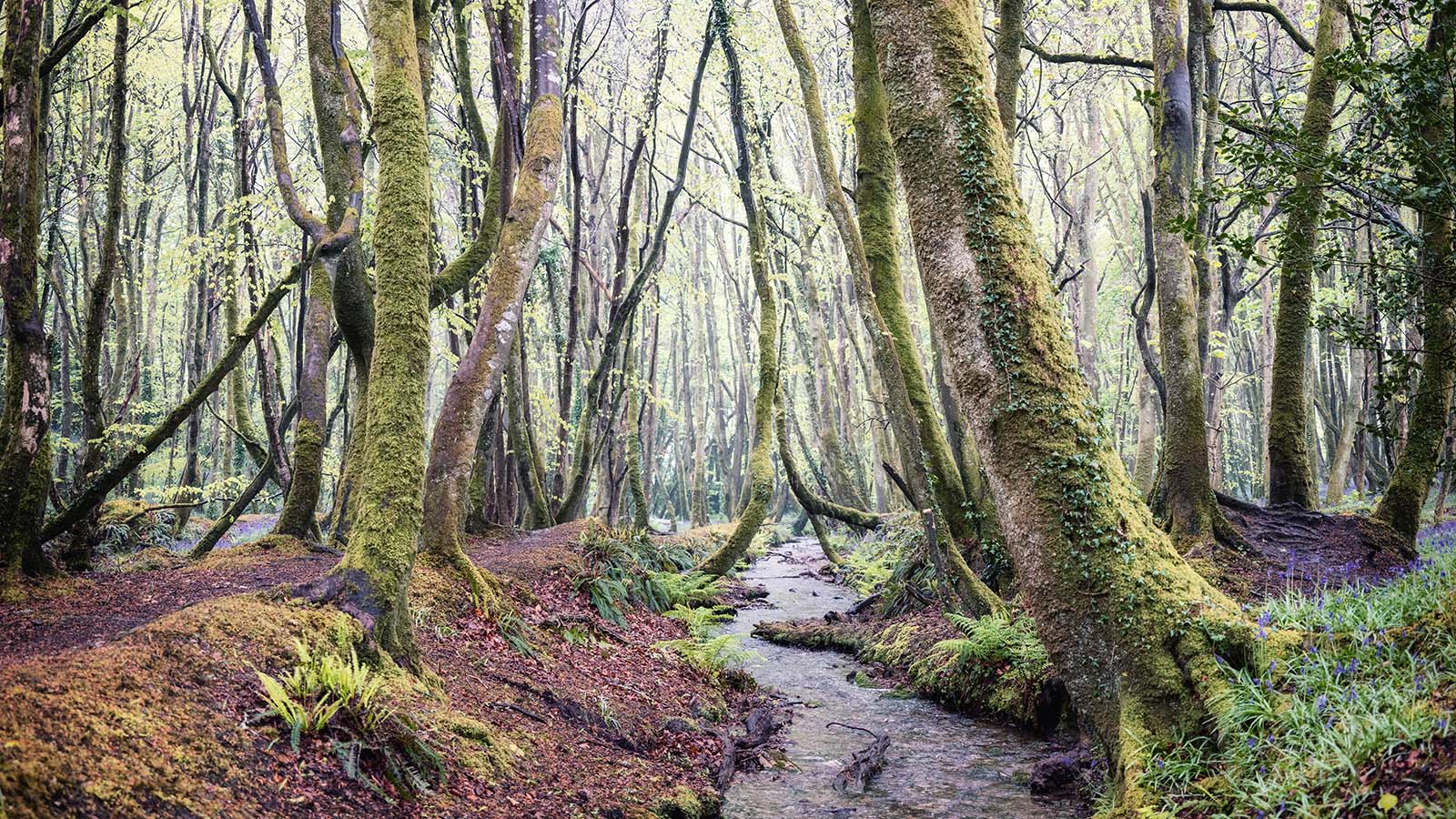
If you’re involved in planning decisions relating to existing woodlands in England, Forest Research want to know how you describe old woodland.

Forest Research is looking for people who may be involved in planning decisions relating to existing woodlands in England to take part in a survey about the language used to describe old woodland.
This survey is aimed at four groups:
The survey takes just five to ten minutes.
By taking part, you’ll help us to understand how terms such as ‘ancient woodland’, ‘long-established woodland’, and ‘irreplaceable habitat’ are interpreted. We’ll compare our findings from the four groups to highlight where interpretations align or differ. This will help us to explore how woodland-related terms are understood and used in planning contexts in England.
The project is funded by Defra and Natural England.
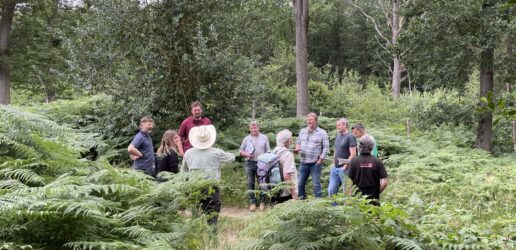
Growing a community equipped with the skills to assess oak health.
Join for an update on the Forest Lab oak health project, showing how monitoring oak tree condition, pests, and diseases can help woodland managers make informed decisions to protect and manage oak woodlands across the UK.
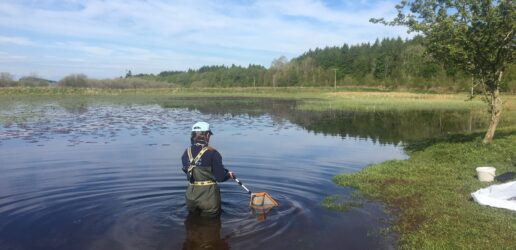
Forest Research entomology scientist, Molly Davidson, discusses her work as a diagnostician for TreeAlert, the hidden world of moths, and a new survey investigating what motivates people to take part in citizen science.
Growing a community equipped with the skills to assess oak health.
Join for an update on the Forest Lab oak health project, showing how monitoring oak tree condition, pests, and diseases can help woodland managers make informed decisions to protect and manage oak woodlands across the UK.
Forest Research entomology scientist, Molly Davidson, discusses her work as a diagnostician for TreeAlert, the hidden world of moths, and a new survey investigating what motivates people to take part in citizen science.