to Forestry Commission homepage Home > Quick links > Library > Help >
to Forest Research homepage About us > Contact us > News > Research >Products/services >Events > Search >   go

Forest Research home > Research themes

Protecting trees
 

Promoting environmentally acceptable measures of preventing and controlling damage to Britain's trees from pests and diseases

Summary

Improving the effectiveness of the management of both native and newly established exotic problem species is a major focus of our research. Our approach is to understand the nature and reasons for the observed problems and to apply this knowledge to sustainable management of the organisms concerned.

The ever growing global trade in plants, timber and the use of wood-based packaging material provide many pathways for pests and pathogens to escape their native habitats and enter new areas. Over the past decade, several new pests and diseases have been found in the UK, and some have established with serious economic consequences. Forest Research has several research programmes aimed at understanding and assessing the risk that some of these organisms can pose. Other key programmes form an important line of defence in monitoring any changes in the health of our trees as well as providing advice on common tree disorders and how to manage them.

Awareness of the impact of climate change on the severity of some of our existing pest and disease problems is also crucial, since climate has a major influence on behaviour and population dynamics of many organisms, both positively and negatively. Effective control methods must be practical at a range of spatial scales, while also conforming to woodland certification demands to minimise chemical use.

There are currently around twenty research programmes directed at protecting trees from diseases and from vertebrate and invertebrate pests. They group into five major research areas:

  • Tree health monitoring
    Condition survey of non-woodland amenity trees
    Forest Condition Survey
    Disease Diagnosis and Advice (service)
    Pest Diagnosis and Advice (service)
  • Plant health – exotic pests and pathogens
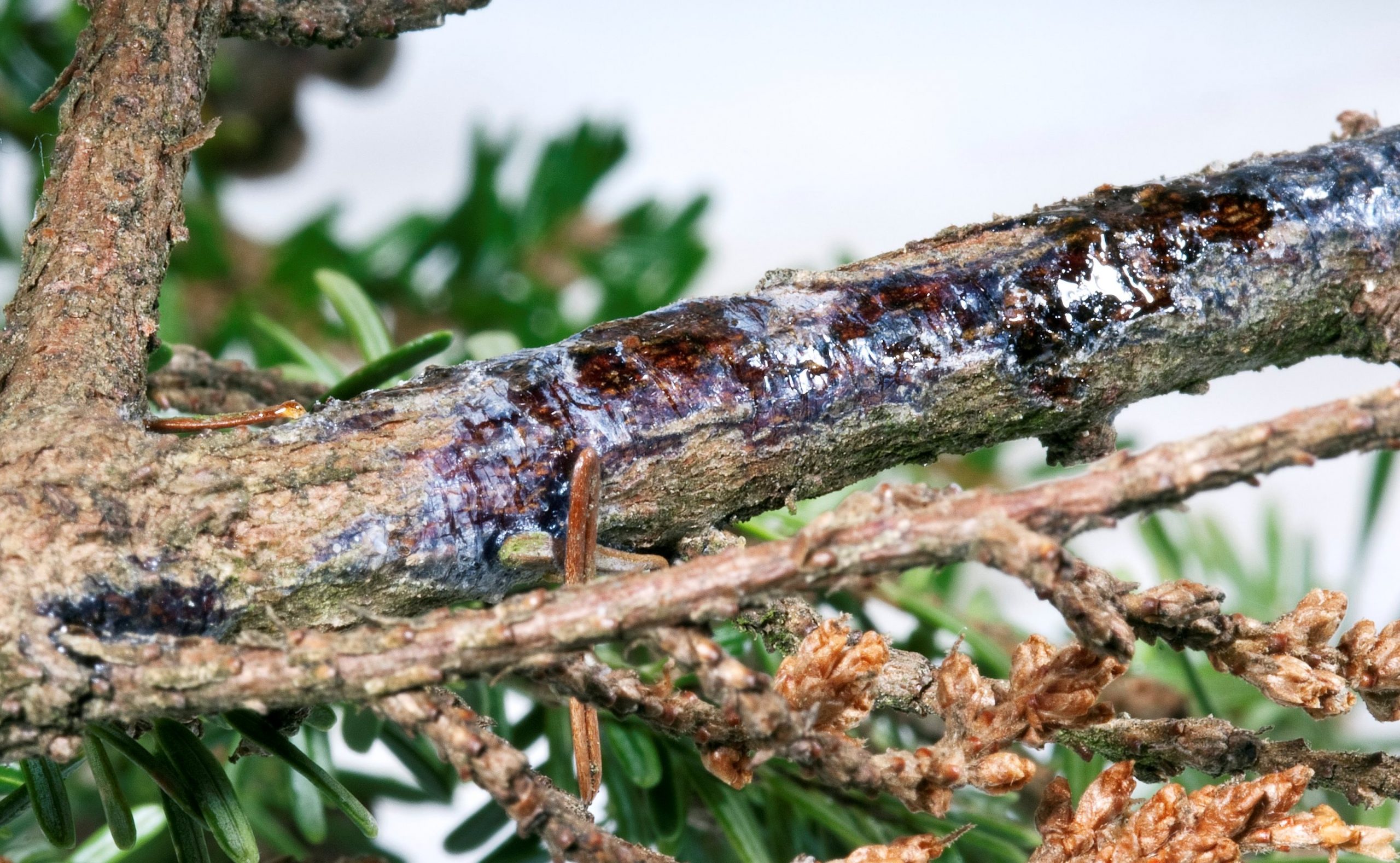
    Phytophthora ramorum 'Sudden Oak Death'
    Red band needle blight
    Woodland survey of P. ramorum
    Research and management to support EU Protected Zone status for various pests and pathogens
  • EU Collaborative projects
    Plant health risk and monitoring evaluation, using pinewood nematode in Portugal as a model system (PHRAME)
    Risk Assessment of Phytophthora ramorum, cause of Sudden Oak Death in the USA (RAPRA)
    Modelling of Heterobasidion annosum in European Forests (MOHIEF)
    Interreg IIIA project (Ireland and Wales) on control of Hylobius abietis
  • Established tree problems
    Impacts of insects on tree growth
    Dieback of birch
    Phytophthora diseases of broadleaf species
  • Management and control of pests and diseases
    Non-chemical protection against pathogens
    Integrated forest management of Hylobius
    Control of Hylobius
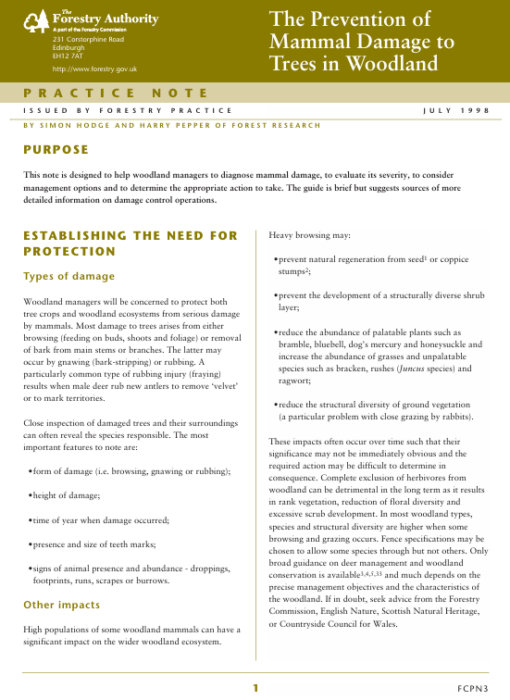
    Mammal damage to trees and woodland
    Management of grey squirrels
    Deer population ecology
    Herbivore impacts on woodland ecosystems
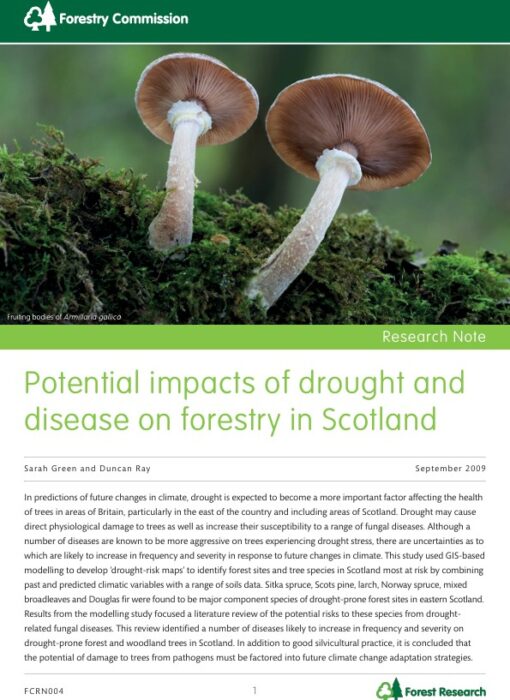
    Impact of Phytophthora diseases on trees

Research programmes

Related topics

Forthcoming events

Related publications

IconPublications about protecting trees

Tree pest alerts

To all Exotic Pest Alerts

Related products and services

Background

Monitoring changes in the crown density of oakThe sustainable management of our trees and woodlands includes effective protection against damaging pests and diseases. Whether the damaging agents are native or of exotic origin, understanding the nature of the problem and using this knowledge to reduce damage is a core activity of Tree Protection. 

Our island position has acted as a natural barrier to invasion by many damaging organisms, but increasing global trade brings with it the threat of incursion by exotic pests and pathogens, so vigilance is vital.  Forest Research actively monitors the condition of Britain’s forests on a number of scales, as part of the necessary insurance policy to ensure that new threats are detected at the earliest possible stage.  International co-operation with researchers in many other countries is also part of the strategy to anticipate threats as well as carrying out pest risk analysis.

Despite our best endeavours, some pests and diseases do become established, so advice and research is required in order to develop effective containment and management procedures.  In some cases, the impacts of endemic pests are exacerbated as land use changes. Grey squirrels and deer are not just pests that concern commercial foresters; they also represent a major threat to Britain’s broadleaf woodlands. Direct study and modelling of pathogen and pest behaviour has also indicated that climate change will influence, both positively and negatively, the severity of some of our existing pest and disease problems.

Whether the problem is caused by a pathogen or mammal or insect pest, understanding its distribution, genetic origin and its population dynamics is an essential part of the development of appropriate and effective control measures. The current focus on Phytophthora ramorum (cause of Sudden Oak Death in the USA) and Hylobius abietis (pine weevil; the most important insect pest of reforestation in Britain) illustrates this approach. Using this detailed knowledge base, assessments are made on the best ways of bringing outbreaks under control.

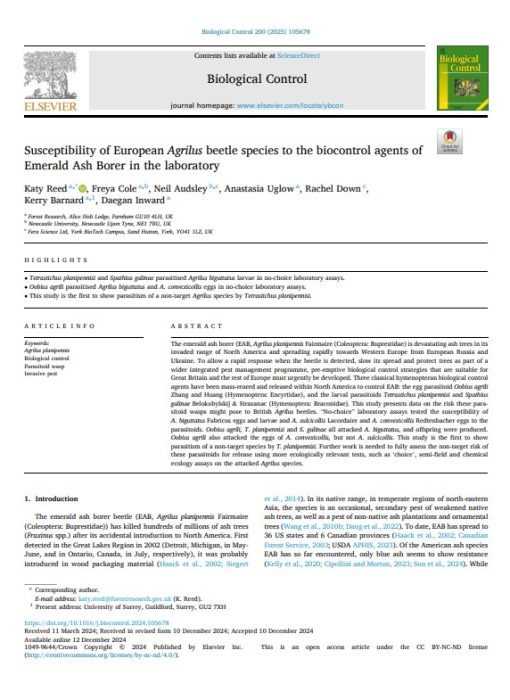
Where possible, integrated pest management methods and bio-controls are used in preference to chemical controls. Currently, Forest Research manufacturers PG Suspension, the biological agent used to combat root and butt rot in conifers, and has pioneered research on entomopathogenic nematodes for biocontrol of pine weevil.

The majority of Forest Research’s portfolio of work on protecting trees and woodlands is funded by the Forestry Commission. However, a significant proportion of work is commissioned by other government departments and agencies. These include:

  • Defra Plant Health Department (Phytophthora ramorum)
  • Office of the Deputy Prime Minister (Health of Non-woodland Trees)
  • Environment Agency (Phytophthora disease of alder)
  • The Carbon Trust (optimisation of heat treatment regimes against quarantine organisms). 

Forest Research is also active internationally, through European Union Projects (FP5, FP6 and Interreg) and with a variety of other partner organisations including universities, IUFRO, EPPO and The International Forestry Quarantine Research Group.

Research objectives

Symptoms of Phytophthora disease on alderResearch on tree protection aims to:

  • Understand tree pest and disease problems and provide sustainable solutions for their management
  • Detect early changes in tree health through monitoring programmes
  • Determine the risks posed by exotic pests and pathogens and develop methods for their management
  • Provide support for UK and European Union Plant Health policy makers for the development and implementation of best practice
  • Underpin advisory services that provide information and diagnosis for tree problems and disseminates information about good practice.

Forestry Commission policy

Forestry overarching policy is to promote the sustainable management of woods and forests; the Forestry Commission also exercise legal powers to prevent the entry of non-endemic pests and diseases of trees.

  • The UK Forestry Standard sets out the standards for sustainable management which include the maintenance of forest health and vitality.
     
  • The UK Woodland Assurance Standard (UKWAS) certifies sustainably managed woodlands, based on a wide range of indicators such as the measures taken to protect trees from the consequences of damaging mammals, pests and diseases while reducing pesticide use wherever possible.

Research into the protection of trees against pests and pathogens develops understanding to guide the development of these UK policies and standards as well as informing EU directives.

Contact

Research into 'protecting trees' within Forest Research is centred in the Tree Health Division and Ecology Division.

For further information contact:

Pathogens and abiotic disorders

Dr Joan Webber
Forest Research
Alice Holt Lodge
Farnham
Surrey GU10 4LH

Tel: +44 (0) 1420 22255
Fax: +44 (0) 1420 23653
Email: joan.webber@forestry.gsi.gov.uk

Invertebrate pests

Dr Hugh Evans
Forest Research
Alice Holt Lodge
Farnham
Surrey GU10 4LH

Tel: +44 (0) 1420 22255
Fax: +44 (0) 1420 23653
Email: hugh.evans@forestry.gsi.gov.uk

Mammalian and rodent pests

Dr Chris Quine
Forest Research
Northern Research Station
Roslin
Midlothian
EH29 9SY

Tel: +44 (0) 131 4452176
Fax: +44 (0) 131 4455124
Email: chris.quine@forestry.gsi.gov.uk


Related...

Programmes
Historic environment
Impacts of large herbivores on woodlands

Protecting trees

What's of interest

Horse chestnut leaf miner:

Instructions for reporting suspected sightings


New publications:

Publication cover
Red band needle blight of conifers in Britain (PDF-1200K)
Forestry Commission Research Note 2

Cover
Progress in Research on Phytophthora Diseases of Forest Trees

PDF icon Resistance of Young Conifers to Feeding Damage by Pine Weevil (PDF-786K)
Foresty Commission Information Note 87


Tree pests & diseases:

The Forestry Commission Plant Health Service provides information about current tree health issues.

Related pages

Useful sites

to DirectGov