Summary
This research aims to improve understanding of how best to create new woodlands that support nature recovery.
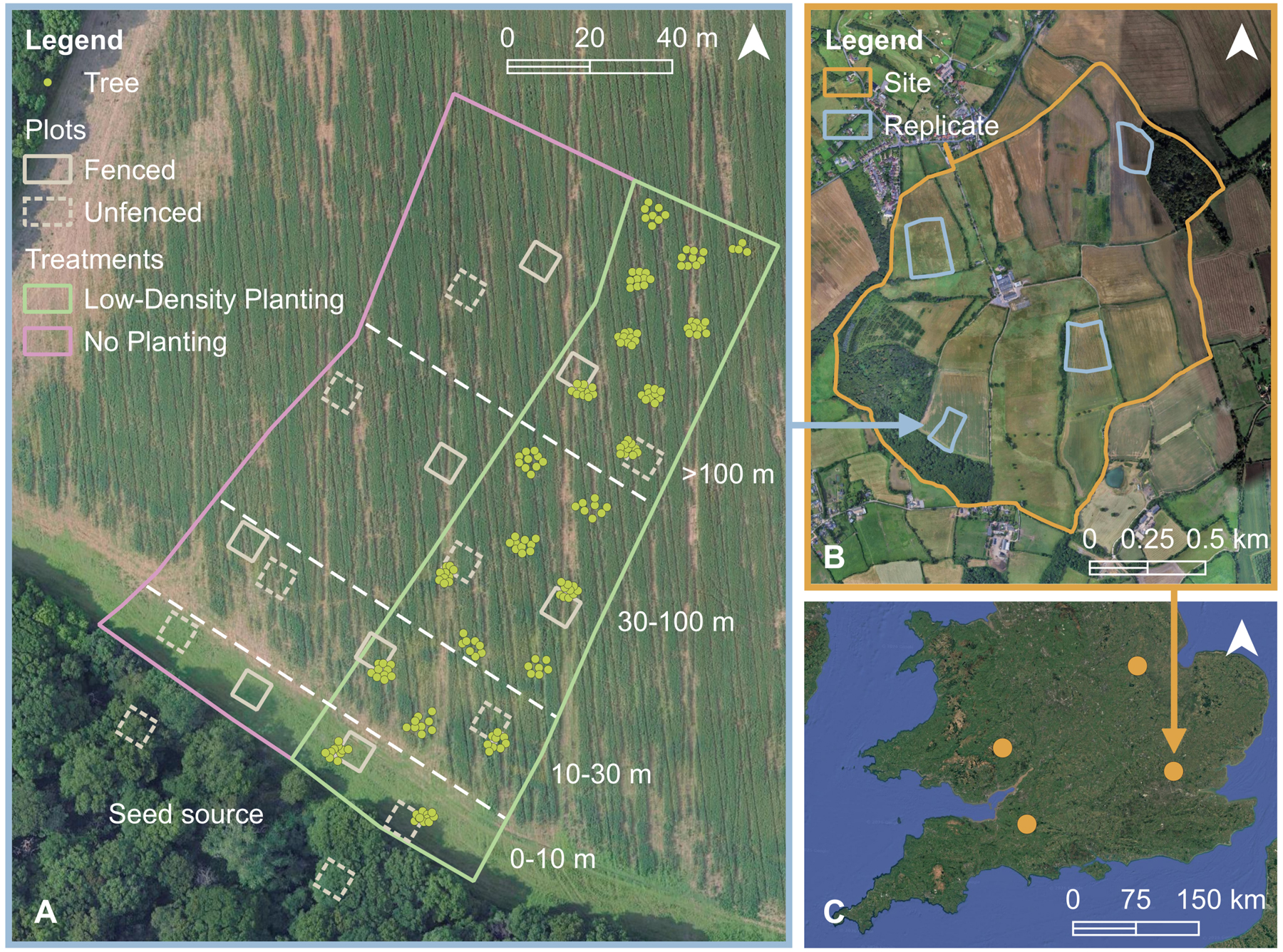
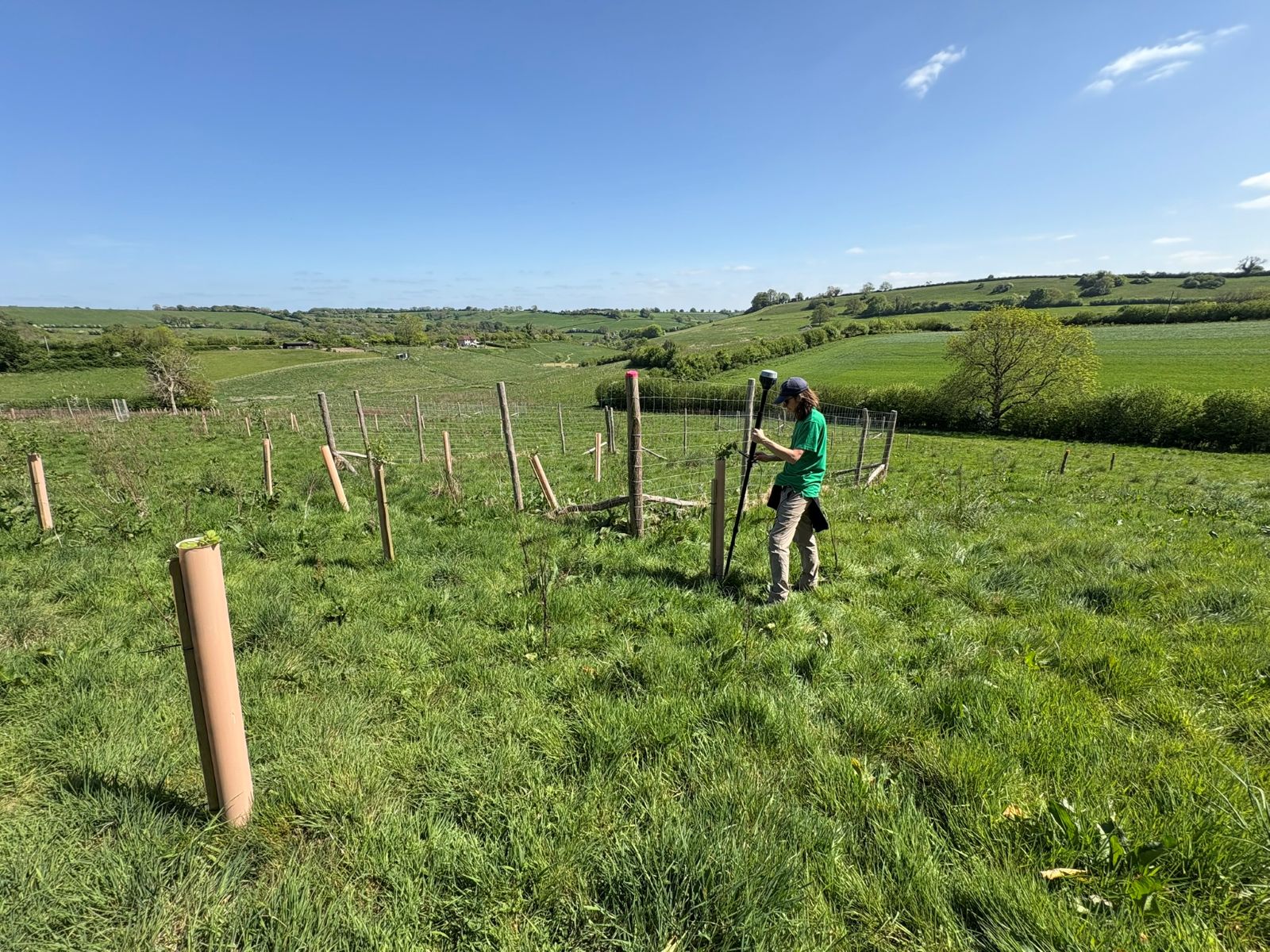
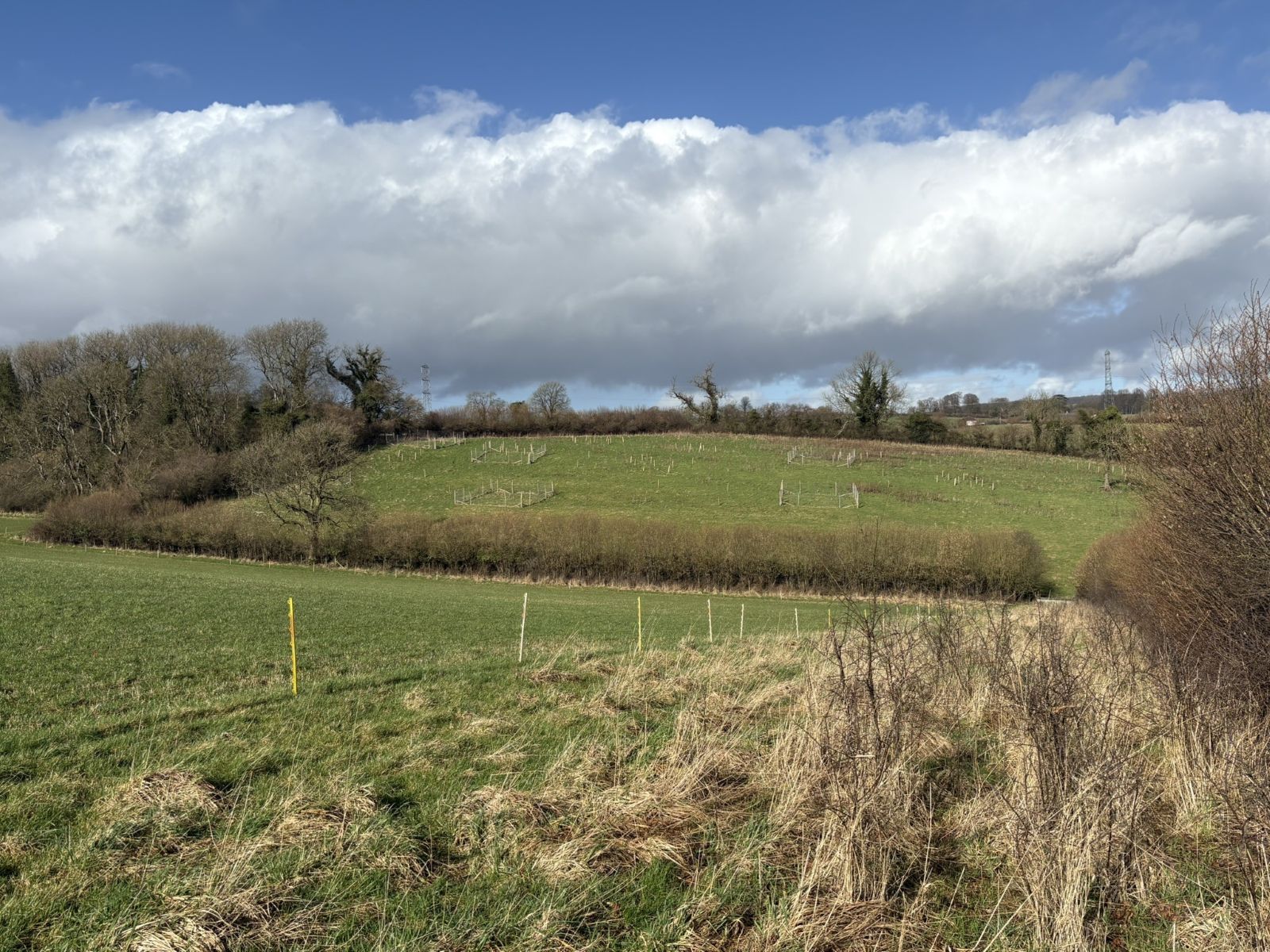
The Large-scale Ecosystem Recovery Network (LERN) will establish a national network of experimental woodland creation sites to test different approaches, e.g.,
- tree planting
- natural colonisation
- hybrid methods
and assess their effects on biodiversity, habitat structure, and ecosystem processes.
By generating robust, long-term evidence, LERN will guide landowners, policymakers and practitioners in implementing effective woodland creation strategies, helping to achieve the UK’s biodiversity, tree cover and climate targets through evidence-based decision-making.
Learn more about the LERN experimental setup, sites, experimental platform, future plans and the team in our interactive StoryMap.
This project has been funded by the UK Government through Defra’s Forestry Research and Development (FRD) programme.
Research Objectives
- What are the ecological outcomes (e.g., structural complexity, biodiversity, ecosystem processes) of different woodland creation methods (tree planting, natural colonisation, hybrid approaches)?
- How does the proximity, composition and condition of seed sources affect the ecological outcomes of nature recovery projects?
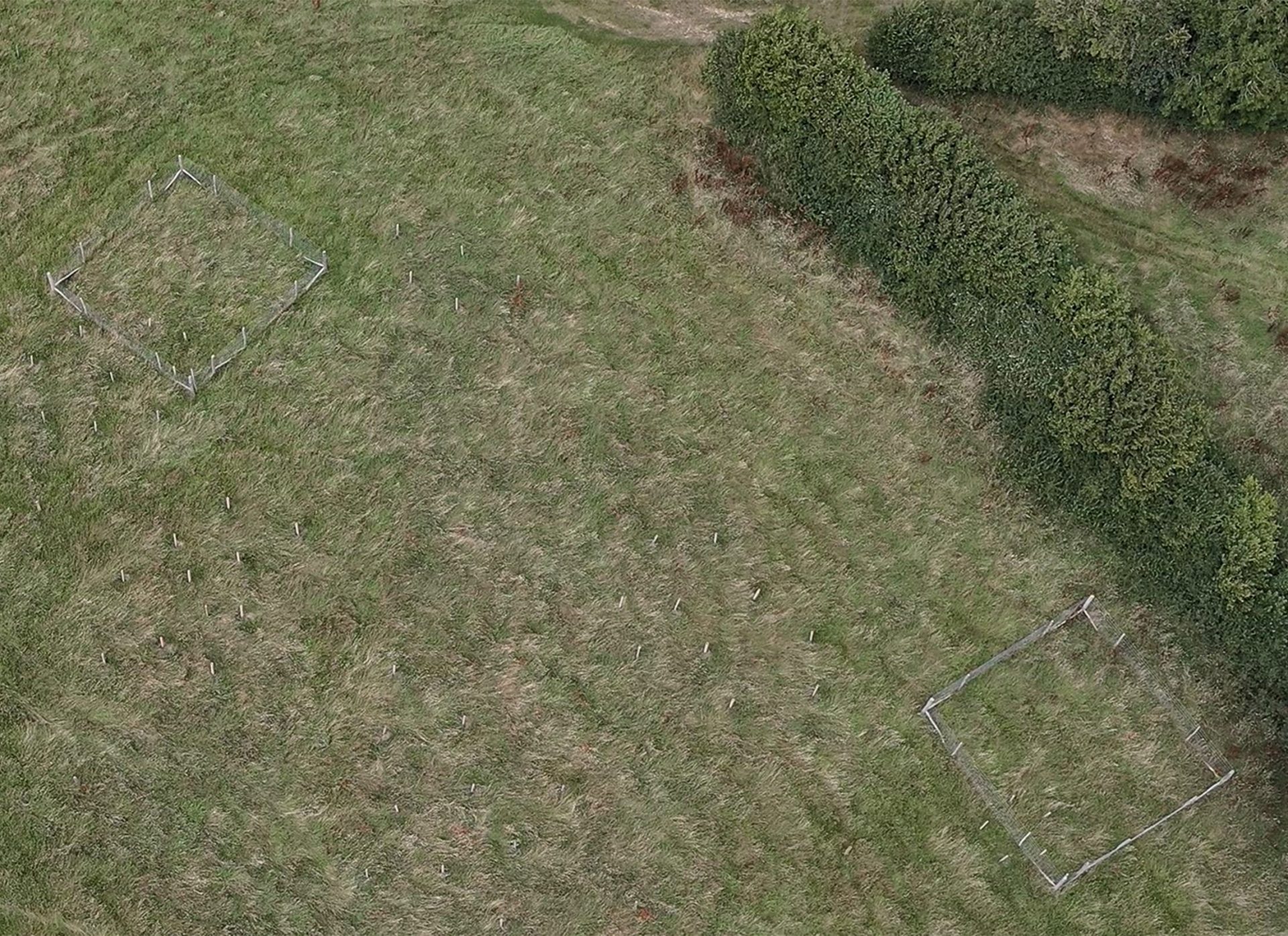
- What influence do specific land management interventions (e.g., deer fencing, ground preparation) have on ecological outcomes?
- How do the interactions between woodland creation methods and management interventions shape overall ecological outcomes?
LERN video introduction
🌱 What works and what doesn’t when it comes to woodland creation? The Large-scale Ecosystem Recovery Network (LERN) is a 30-year project designed to answer exactly that.
🎥 In this video, Tom Jameson explains how LERN is building a national evidence base to help landowners, conservationists, policymakers and farmers make better-informed decisions on woodland creation.
By testing different approaches across the UK, the project aims to improve outcomes for biodiversity, carbon capture, ecosystem services and ultimately, our national climate and nature goals.
📍 Filmed at LERN pilot site: Banks Farm